Weston
Weston Food Dehydrator Reviews: Our Honest Verdict
By Nora Calloway · Updated September 2026
Independent editorial review. We never accept payment for coverage, though we may earn a commission if you purchase through our links.

Verdict
Owner opinion on the Weston is split down the middle, and buyers say so themselves: the reviews are all over the place. Value and simplicity draw the consistent praise. It is cheap, it dries fruit and jerky, and it works well enough as a first dehydrator for people testing whether they will use one at all. Build draws the consistent worry. The metal racks rust with regular use and are hard to replace, the temperature sits at the low end of the meat range, and the fan and housing feel a tier below the stainless boxes owners cross-shop. Plenty of shoppers who start out considering a Weston end up spending more on something they trust to last. That split reads clearly enough to us: a real value buy at its price, and one nobody should expect to feel premium.
Read full take ↓Similar dehydrators
The Weston Food Dehydrator is the cheap box that turns up whenever a hunter or a first-time jerky maker asks what to buy without spending much. Trays stack over a heating element and fan, it reaches into meat range, and it holds enough to dry a few pounds of sliced beef in one go. Affordable, roomy enough, hot enough for jerky. For a lot of people that is the entire requirement.
Consistency is the catch. Owner reviews run all over the place, and the pattern behind them is not hard to spot once you have read enough of them. The value is real and the machine does dry meat and fruit. The corners got cut on the build. Racks rust, the fan and housing feel a tier below the stainless boxes, and the temperature tops out at the low end of the safe meat range. We weigh both sides below: what the Weston gets right for the price, where it wobbles, and who should spend a little more instead.
The short version
The Weston is a genuine value buy that does the core job. Its build quality is something to expect rather than hope against, and the owner threads bear that out.
What's good:
- One of the cheapest ways into a real dehydrator, so the barrier to trying jerky and dried fruit is low.
- Reaches into meat range, which is enough to carry beef jerky through the temperatures it needs.
- Decent tray capacity for the money, so you can run a few pounds of sliced meat in a single batch.
- Simple to operate, which makes it a forgiving first dehydrator for someone still learning the ropes.
What's not:
- The metal racks can rust with regular use and cleaning, and finding replacement trays is a headache.
- Build feel is a clear tier below a stainless Cosori or Excalibur, from the fan to the housing.
- Temperature tops out at the low end of the safe meat range instead of sailing comfortably past it.
- Airflow is less even than a rear-fan box, so you will rotate trays on longer runs to dry evenly.
Who it's for
Two buyers look at this machine and walk away with opposite opinions. Work out which one you are before you spend.
Buy it for:
- A first, low-cost dehydrator to find out whether you will actually use one before spending more.
- Household batches of jerky, fruit, and herbs where price matters more than a premium build.
- Hunters and jerky makers who want capacity and meat-range heat without paying for stainless.
Skip it if:
- You want a machine you can trust to last for years; a Cosori Premium stainless answers the build complaints directly.
- You run a dehydrator hard or in bulk; an eight-tray Excalibur is sturdier and holds more.
- You care about quiet, rust-free trays for long overnight runs; a Samson stainless is the calmer, cleaner upgrade.
The specs that matter
Two lines on the Weston's spec sheet decide whether it suits you. Here is what each buys you at the counter.
Meat-range temperature at the low end of the scale: Weston units reach roughly the top of the jerky range and no further. Enough to dry beef safely, with almost no headroom above it. One shopper cross-shopping the bigger Weston units flagged that ceiling:
I'm looking at dehydrators that can hold 20-40lbs of meat all cut 1/4" thick, this has actually been very tricky to find information and reviews on some of the ones I've found. Excalibur Exc10el - Weston Pro 80/160 Liter - Cabelas 80/160 Liter Has anyone used these? I'm using them for light commercial use. I've heard good things about Excalibur, but that one's twice the price of the other two 160's, and three times the 80's. The only thing that seems to suck for me so far is, the Weston/Cabela only get to 160F and can't seem to get more information on them.
For a jerky buyer that ceiling is the spec that matters most, since a dehydrator that cannot reach meat temperatures is a fruit machine. The Weston clears the line, but only just, so you want a temperature you can set and trust rather than one fixed preset. That is the feature the cheapest models drop, and the one a versatile buyer asks about first:
I have been interested in getting a dehydrator for a while now, but do not really know much about dehydrators. I am able to purchase this Weston 75-0601w brand new for $15. I know it is a good price. I would like to know if it is worth it or if I should spend more to get one with temperature control and a timer? I would like to use it for a variety of things such as meat, fruit, and herbs.
Stackable tray capacity: the box format holds a useful load for the money, enough to run several pounds of sliced meat or a couple of bunches of bananas in one go. The trade is even airflow and rust-proof trays, both of which you give up at this price.
How well it preserves
Drying is the part that earns the Weston its keep, and owners are clear that it does the basic job. Fruit and snacks are what a lot of people buy it for in the first place, once they learn their timings:
I just purchased the same one op referenced here today. I mostly wanted to dry things like banana chips, pineapple, strawberries to make snacks for work. I'd been looking for one for awhile but wasn't sure how often I'd use it or if I'd like it so I pulled the trigger when I saw this one at the store.
Banana chips, pineapple, strawberries: that is the workload a lot of these units actually see, and the Weston is fine at it. It handles meat too, which is why it keeps coming up in jerky and hunting threads rather than only fruit ones. It is often the box a first-timer is handed for their first batch of jerky, safety questions and all:
My wife bought me a Weston dehydrator for Christmas and I'm just getting around to use it. I did a little bit of research before getting started though. I didn't use any curing salts but I have ordered some. I vacuum sealed my meat for about 12 hours and threw it in the dehydrator. It's been in for probably close to 7 hours(I'm not real sure when it's done) I have been checking on the meat and smelled it a couple of times. Is there any reason to be concerned with botulism spores being inhaled at this point? I'm a little nervous after reading a bit more into it.
Consistency is where it slips, not capability. Airflow is less even than a rear-fan stainless box, so a long run wants the trays rotated, and the temperature ceiling means you dry meat near the top of the dial with nothing in reserve. That gap between what people expected and what they got explains why the reviews swing so hard:
Anyone have any experience with this unit? The reviews are all over the place. I'm considering getting one to dehydrate fruit for garnishing cocktails.
The split makes sense once you've read enough of them. Undemanding jobs in household batches, and the Weston dries fine. Ask it to match a stainless box on evenness and endurance, and the gap shows.
Built to last
The low price shows here more than anywhere. The common long-term complaint is not a dead motor but the racks giving out: owners report the metal trays rusting with regular use and cleaning, then hitting a wall trying to source replacements that fit.
I've been combing the net trying to find 21 1/2" x 16" trays to go into my weston 28-0501-w. So far I haven't found anything in the correct length. I've checked for dehydrator tryst, grills grates, wire baking pans...nada. My old racks are starting to rust insanely bad no matter how much I clean them. So any advice on where to find racks or something I can do to prolong my current ones?
That comment is the Weston story in miniature. The machine keeps running while the parts that touch your food wear out. And the replacement hunt is hard: that owner went looking for 21.5 by 16 inch trays across dehydrator suppliers, grill grates, and wire baking pans, and came back with nothing in the right length. The fan and housing feel a step below the stainless units sitting beside it on the shelf, too. Plenty of shoppers who start out considering a cheap Weston talk themselves into something they expect to last longer:
Yeah, if I were to get one of these, I'd get that stainless model for the reasons you described. That said, there are some other good items I can get. I'll probably get something else entirely, then just buy myself the dehydrator I had in mind, eventually. Been looking at the Hamilton Beach.
It is still worth the money it costs. Just treat it accordingly: add silicone liners or replace racks before they rust through, check the return terms before ordering, and judge it against its price rather than against a machine that costs four times more. Expect a few honest years, not a decade. On those terms it rarely disappoints.
Living with it
A Weston is about as simple as a dehydrator gets, and that simplicity is a real part of the value. Stack the trays, set it going, let it run. That suits a first-time buyer still working out what they like to make. Controls are the day-to-day question, and the cheapest models keep them basic:
In my opinion there are no dehydrators worth purchasing without temperature control on it. But It honestly depends on what you want to do with it. Since you list wanting to dry a variety of things I highly recommend one with temperature control. That said, with this being that cheap it may be worth just getting and seeing how you like it.
Take that advice. Meat wants 140F and up. Herbs want 90 to 110F, as low as the machine will go. One fixed setting cannot serve both, which is how a cheap dehydrator ends up in a closet after two batches: the herbs cook, the jerky takes forever, and the owner decides dehydrating is not for them. A timer matters far less. If you plan to dry a range of foods, spend up to a model with an adjustable thermostat and skip the rest of the feature list:
I wouldn't worry about a timer, but as /u/Orange_Tang mentions find one with a temp controller. It really helps if you are doing both meat, fruits, herbs, and veggies. Meat you almost always want high heat (140+), herbs you want as low as possible (90-110F).
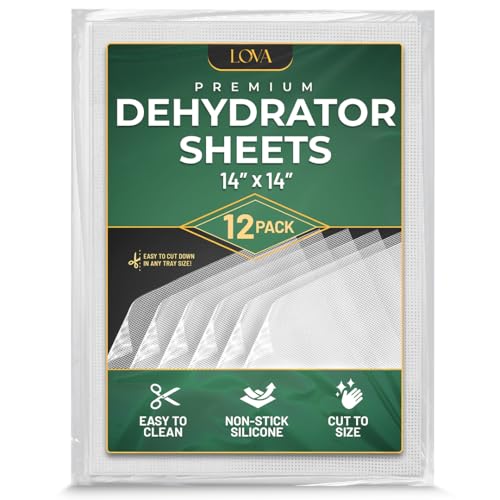
Upkeep is the other half of living with it. The rack rust means washing and drying the trays carefully every time, and a set of silicone or mesh liners saves both the trays and the nuisance of small pieces dropping through. Do that and the Weston runs with no drama at all. Skip it and the maintenance is what wears you down first.
How it compares
The Weston is a price-driven pick, so everything people cross-shop it against is a step up in build. Three come up most.
Versus the Cosori Premium 6-Tray Stainless: the Cosori is the direct answer to the Weston's two biggest knocks. Stainless trays that will not rust, a rear fan that dries evenly without tray rotation, and digital temperature and timer control. You pay more, but you buy out most of the maintenance and consistency headaches in one move.
Versus the Excalibur 8-Tray: the Excalibur is the endurance-and-capacity upgrade. A bigger box chamber with horizontal airflow, a thermostat that clears meat temps with room to spare, and the long reliability reputation the cheaper boxes cannot match. It is the pick if you run a dehydrator hard or in volume.
Versus the Samson Silent 9-Tray Stainless: the Samson is the quiet, high-capacity alternative. Nine stainless shelves on a near-silent fan with digital controls, which matters if the machine lives near where you sleep and runs overnight. More trays and rust-free racks for the long jerky sessions the Weston struggles to stay clean through.
Using it well
Load the trays in a single layer with space between the pieces so air can move. Rotate them partway through a long run so the top and bottom finish together. For jerky, set it near the top of its range and check doneness by feel rather than by the clock, because thickness and kitchen humidity change everything. Dry the racks fully after every wash to slow the rust. And buy silicone or mesh liners early, so small pieces stop falling through and meat stops sticking to bare metal.
Buying it mainly for meat? Read how format and temperature choices play out across brands first. Our guide to the best dehydrator for jerky covers fan placement, temperature range, and cleanup in more depth, with the value boxes weighed honestly against the stainless machines.
So, would we buy it?
At its price, yes, with conditions. The Weston gets a first-time preserver or a budget-minded jerky maker into the hobby without a big outlay. It reaches meat range, holds a useful batch, and dries fruit and beef well enough for what most people do at home. The value is real, and it is the whole reason the thing keeps selling.
Build is what keeps it out of a straight recommendation. The racks rust, the temperature has no headroom, and the reviews swing wildly because the machine rewards low expectations and punishes high ones. Buy it as a starter or a knockaround unit, keep the trays dry, lean on liners, and you will get several solid years. If you would rather not baby it or replace it, put the money one tier up on a stainless box instead.
Our Ratings
Overall score
It reaches meat range and dries fruit, herbs, and lean beef without fuss, which is most of why owners buy one. The knocks are real but modest. Airflow is less even than a rear-fan stainless unit, so longer runs want the trays rotated, and the temperature tops out at the low end of the safe meat range rather than sailing past it. For the money, the drying holds up.
The softest axis, and where the price shows. Metal racks rust with regular cleaning and use, replacements are hard to source, and the fan and housing feel a step below a Cosori or Excalibur. Owners who cross-shop often talk themselves into a sturdier box. Still worth its money, but plan on a few years rather than a decade, and add silicone liners or fresh racks before the old ones go.
Simple in the way a cheap box should be: stack the trays, set a temperature, let it run. The trade-offs are the no-frills manual controls on the lower models and the care the racks need to hold off rust. Easy enough for a first dehydrator and forgiving for jerky. It just asks more maintenance than the stainless machines it competes with.
Weston Food Dehydrator Reviews: Our Honest Verdict on Amazon.
What People Are Saying
Owner opinion on the Weston is split down the middle, and buyers say so themselves: the reviews are all over the place. Value and simplicity draw the consistent praise. It is cheap, it dries fruit and jerky, and it works well enough as a first dehydrator for people testing whether they will use one at all.
Build draws the consistent worry. The metal racks rust with regular use and are hard to replace, the temperature sits at the low end of the meat range, and the fan and housing feel a tier below the stainless boxes owners cross-shop. Plenty of shoppers who start out considering a Weston end up spending more on something they trust to last.
That split reads clearly enough to us: a real value buy at its price, and one nobody should expect to feel premium.
We weight candid owner reports from Reddit and preservation forums above brand-influenced editorial coverage, then reach our own verdict from them. The quotes below are the evidence; the rating and the take are ours.
What Reddit Is Saying
“I just purchased the same one op referenced here today. I mostly wanted to dry things like banana chips, pineapple, strawberries to make snacks for work. I'd been looking for one for awhile but wasn't sure how often I'd use it or if I'd like it so I pulled the trigger when I saw this one at the store.”View thread →
“Anyone have any experience with this unit? The reviews are all over the place. I'm considering getting one to dehydrate fruit for garnishing cocktails.”View thread →
“I have been interested in getting a dehydrator for a while now, but do not really know much about dehydrators. I am able to purchase this Weston 75-0601w brand new for $15. I know it is a good price. I would like to know if it is worth it or if I should spend more to get one with temperature control and a timer? I would like to use it for a variety of things such as meat, fruit, and herbs.”View thread →
“In my opinion there are no dehydrators worth purchasing without temperature control on it. But It honestly depends on what you want to do with it. Since you list wanting to dry a variety of things I highly recommend one with temperature control. That said, with this being that cheap it may be worth just getting and seeing how you like it.”View thread →
“I wouldn't worry about a timer, but as /u/Orange_Tang mentions find one with a temp controller. It really helps if you are doing both meat, fruits, herbs, and veggies. Meat you almost always want high heat (140+), herbs you want as low as possible (90-110F).”View thread →
“My wife bought me a Weston dehydrator for Christmas and I'm just getting around to use it. I did a little bit of research before getting started though. I didn't use any curing salts but I have ordered some. I vacuum sealed my meat for about 12 hours and threw it in the dehydrator. It's been in for probably close to 7 hours(I'm not real sure when it's done) I have been checking on the meat and smelled it a couple of times. Is there any reason to be concerned with botulism spores being inhaled at this point? I'm a little nervous after reading a bit more into it.”View thread →
“I'm looking at dehydrators that can hold 20-40lbs of meat all cut 1/4" thick, this has actually been very tricky to find information and reviews on some of the ones I've found. Excalibur Exc10el - Weston Pro 80/160 Liter - Cabelas 80/160 Liter Has anyone used these? I'm using them for light commercial use. I've heard good things about Excalibur, but that one's twice the price of the other two 160's, and three times the 80's. The only thing that seems to suck for me so far is, the Weston/Cabela only get to 160F and can't seem to get more information on them.”View thread →
“I've been combing the net trying to find 21 1/2" x 16" trays to go into my weston 28-0501-w. So far I haven't found anything in the correct length. I've checked for dehydrator tryst, grills grates, wire baking pans...nada. My old racks are starting to rust insanely bad no matter how much I clean them. So any advice on where to find racks or something I can do to prolong my current ones?”View thread →
“Yeah, if I were to get one of these, I'd get that stainless model for the reasons you described. That said, there are some other good items I can get. I'll probably get something else entirely, then just buy myself the dehydrator I had in mind, eventually. Been looking at the Hamilton Beach.”View thread →
Frequently asked questions
Is the Weston Food Dehydrator worth it?
Simple in the way a cheap box should be: stack the trays, set a temperature, let it run. The trade-offs are the no-frills manual controls on the lower models and the care the racks need to hold off rust. Easy enough for a first dehydrator and forgiving for jerky.
How is the Weston Food Dehydrator built?
The softest axis, and where the price shows. Metal racks rust with regular cleaning and use, replacements are hard to source, and the fan and housing feel a step below a Cosori or Excalibur. Owners who cross-shop often talk themselves into a sturdier box.
What is the Weston Food Dehydrator best suited for?
It reaches meat range and dries fruit, herbs, and lean beef without fuss, which is most of why owners buy one. The knocks are real but modest. Airflow is less even than a rear-fan stainless unit, so longer runs want the trays rotated, and the temperature tops out at the low end of the safe meat range rather than sailing past it.
What do real owners say about the Weston Food Dehydrator?
Owner opinion on the Weston is split down the middle, and buyers say so themselves: the reviews are all over the place. Value and simplicity draw the consistent praise. It is cheap, it dries fruit and jerky, and it works well enough as a first dehydrator for people testing whether they will use one at all.
Options Worth Checking Out

Excalibur 8-Tray Food Dehydrator
Step up when the Weston's build worries you or the trays fill fast. Eight trays in a box chamber with horizontal airflow and a thermostat that clears meat temps with room to spare, plus the longevity reputation the cheaper boxes cannot match.

Cosori Premium 6-Tray Stainless Steel Food Dehydrator
The mid-tier upgrade owners keep naming: a rear-fan stainless box that dries evenly and hands-free, with digital temperature and timer and dishwasher-safe trays. It costs more than the Weston but answers the rust and consistency complaints head on.

Samson Silent 9-Tray Stainless Steel Food Dehydrator
If quiet matters and you want stainless trays that will not rust like the Weston's, the Samson runs nine shelves on a near-silent fan with digital controls. More capacity and a calmer machine for long overnight jerky runs a value box struggles with.
You Might Also Need
Accessories worth grabbing alongside your purchase