Free tool
Canning Altitude Calculator
Enter your elevation once and get all three answers at once: the minutes to add for water-bath canning, the dial-gauge pressure, and the weighted-gauge pressure.
City chips are approximate. Not sure of yours? Search "[your town] elevation" — it takes five seconds and you only have to do it once.
Enter your elevation to see all three adjustments.
Why altitude changes canning
Water boils cooler as you climb: 212°F at sea level, but only about 202°F in Denver. Since canning safety comes from heat, a thinner atmosphere means your jars see less of it. Water-bath canning compensates with more time; pressure canning compensates with more pressure(the time stays the same). Skipping the adjustment is one of the most common — and most invisible — home canning mistakes, because the jars still seal. They just weren't fully processed.
Water-bath chart (add minutes)
| Altitude | Add to processing time |
|---|---|
| 0 – 1,000 ft | +0 minutes |
| 1,001 – 3,000 ft | +5 minutes |
| 3,001 – 6,000 ft | +10 minutes |
| 6,001 – 8,000 ft | +15 minutes |
| 8,001 – 10,000 ft | +20 minutes |
Pressure-canning chart (raise pressure)
| Altitude | Dial gauge | Weighted gauge |
|---|---|---|
| 0 – 1,000 ft | 11 lb | 10 lb |
| 1,001 – 2,000 ft | 11 lb | 15 lb |
| 2,001 – 4,000 ft | 12 lb | 15 lb |
| 4,001 – 6,000 ft | 13 lb | 15 lb |
| 6,001 – 8,000 ft | 14 lb | 15 lb |
| 8,001 – 10,000 ft | 15 lb | 15 lb |
Figures are for the standard low-acid process (vegetables, meats, soups). Weighted gauges only come in 5-pound steps, which is why they jump straight to 15. These bands follow the USDA-derived tables published by the National Center for Home Food Preservation and SDSU Extension. If your tested recipe prints its own altitude table, follow the recipe.
How to find your elevation
Search "[your town] elevation" in any search engine, check a GPS or weather app, or look up your address on a USGS topo map. Elevation barely changes across a town, so one lookup covers every batch you'll ever can — worth writing inside the lid of your canner.
Gear that makes altitude easy
The right gauge does the remembering for you.

Presto
Presto 01781 23-Quart Pressure Canner
A dial gauge reads in 1-pound steps — exactly what the dial table asks of you at altitude. The workhorse canner, and the one we scored in a full review.

Presto
Presto 50332 3-Piece Pressure Regulator (5-10-15 lb)
Turns a Presto into a set-and-forget weighted-gauge canner: put on the 15-pound ring above 1,000 feet and stop babysitting the needle.
PrepWorks
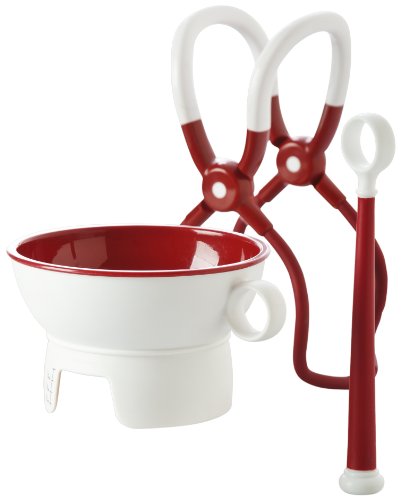
PrepWorks Canning Essentials Set
Jar lifter, funnel, and bubble remover — the handling basics that make every batch easier at any elevation.

Ball
Ball Regular Mouth Quart Mason Jars (12-Pack)
Standard-size jars are what the published processing times are written for — never size up a jar and guess at the time.
The Preserving Kitchen is reader-supported. When you buy through these links we may earn a commission, at no extra cost to you. As an Amazon Associate we earn from qualifying purchases.