Free tool
Curing Salt Calculator
Prague Powder #1 or #2 in exact grams for your meat weight, at the one rate that is actually safe - plus the plain salt and sugar for an equilibrium cure, in a single answer.
Bacon, ham, jerky, sausage - anything cured under a month or cooked.
Weigh out, per 5 pounds of meat:
5.7 g of Cure #1
(≈ 1.0 level tsp - but weigh it; spoons are for sanity-checking only)
+ 45.7 g plain salt to reach 2.25% total salt (the cure's own salt is already subtracted) and 22.7 g sugar.
This is the standard 0.25% rate: 156 ppm in-going nitrite, the USDA maximum for ground/comminuted products, and the same as the old rule of 1 teaspoon per 5 pounds. The rate is fixed on purpose - never add extra cure "to be safe." For wet brines or pumped cures, use a tested recipe; the math is different.
The math, stated plainly
Prague Powder #1 is 6.25 percent sodium nitrite carried in 93.75 percent regular salt, dyed pink so nobody mistakes it for table salt. Used at 0.25 percent of the meat's weight, it delivers about 156 parts per millionof in-going nitrite - the USDA maximum for ground and comminuted products, and the level the old "1 teaspoon per 5 pounds" rule was built around. That is the only rate this calculator produces. Nitrite is genuinely toxic in overdose, which is why the rate is not a slider and why the answer is in grams: at small batch sizes, the difference between safe and unsafe is less than a teaspoon.
Cure #1 vs. Cure #2 - not interchangeable
Cure #1 is for everything cured briefly or cooked: bacon, ham, jerky, fresh and smoked sausage, corned beef. Cure #2 adds sodium nitrate, a slow-release reservoir that converts to nitrite over weeks - built for salami, coppa, and prosciutto-style projects that hang for a month or more. Using #2 in a short cure leaves unconverted nitrate in food that is eaten too soon; using #1 in a months-long cure means the protection runs out before the meat is done. Match the cure to the calendar, and follow a tested recipe for the process itself - this tool sizes the cure, it does not teach charcuterie.
What the equilibrium (EQ) output is doing
An equilibrium cure weighs all the seasoning against the meat: typically 2 to 3 percent total salt, of which the pink cure is a part. Because Prague powder is mostly salt itself, the calculator subtracts the cure's own salt from your target before telling you how much plain salt to add - the double-counting mistake most spreadsheet recipes make. Bag the meat with the full amounts, and it cannot oversalt no matter how long it sits - that forgiveness is why EQ curing is the modern home default.
What safe curing actually requires
The scale comes first. Everything else follows.

Weigh Gram
Weigh Gram 0.01g Digital Pocket Scale
The non-negotiable tool on this page. Cure amounts for small batches are single grams - a 0.01-gram scale is what makes the number above safe to use at all.
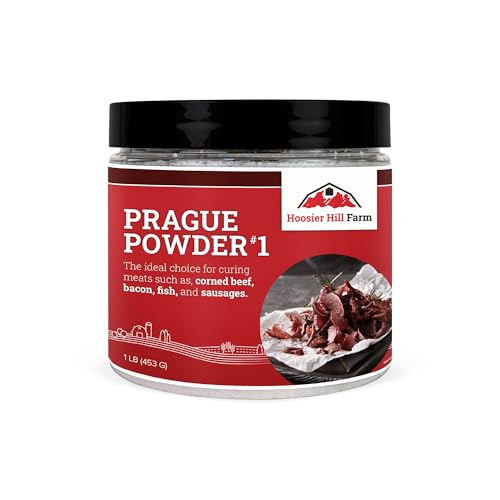
Hoosier Hill Farm
Hoosier Hill Farm Prague Powder No. 1 (1 lb)
The standard pink cure for bacon, ham, jerky, and sausage. A pound cures roughly 400 pounds of meat at the 0.25% rate, so one bag lasts most home curers years.

Pure Prague Powder #2 (Insta Cure #2)
For long dry-cured projects aged a month or more - salami and prosciutto-style work. Its added nitrate is a slow-release reservoir, which is exactly why it does not belong in bacon.

Inkbird
Inkbird ITC-608T Temperature & Humidity Controller
The brain of a DIY curing chamber: it holds a fridge at dry-cure temperature and humidity. We scored it in a full review as the gateway to safe long cures at home.
The Preserving Kitchen is reader-supported. When you buy through these links we may earn a commission, at no extra cost to you. As an Amazon Associate we earn from qualifying purchases.