FoodSaver
FoodSaver Vacuum Containers Reviews (2026)
By June Park · Updated October 2026
Independent editorial review. We never accept payment for coverage, though we may earn a commission if you purchase through our links.

Verdict
Owners who use rigid vacuum canisters like them for the same three reasons: they stack better than a drawer of mismatched tubs, they cut the bag waste that comes with a sealer, and they slow staling on dry goods and freezer items. The doubts all concentrate on the seal. A real slice of owners question whether the lid pulls all the air out at all, and reports of cracked plastic lids and loosening valves show up across every brand, not just this one. Plenty still reach for them for marinades and pantry staples. Cautiously positive is where the community sits, and honestly, so do we.
Read full take ↓Similar vacuum sealers
The FoodSaver Preserve & Marinate Vacuum Containers are the reusable, rigid answer to a problem most sealer owners hit fast: you love pulling the air out of your food, but you're tired of burning through bags to do it. Instead of a roll of plastic, you get stackable canisters with a valved lid that a FoodSaver machine or handheld sucks the air through. Seal a canister of coffee, nuts, flour, or washed greens and it stays fresh longer than it would under a normal lid, and the marinate setting turns a same-day dinner into a quick-brined one in minutes.
The appeal is obvious and the tradeoffs are real. Canisters are reusable, dishwasher safe, and kinder to your wallet and the trash can than a bag habit. They also do nothing by themselves: no FoodSaver, no vacuum. And the seal that makes them work lives in a plastic lid and a one-way valve, the two parts owners most often watch wear out. Below, what they do well, where they go soft, and who should buy a different set or skip straight to the machine that powers them.
The short version
These are a smart, low-waste way to seal pantry staples and marinate fast. There is one catch and one soft spot, and both are worth knowing before you order.
What's good:
- Reusable rigid canisters cut the bag waste and running cost that come with a roll-and-bag sealer.
- They stack cleanly in the pantry, fridge, and freezer, and go in the dishwasher when they get greasy.
- They slow staling on dry goods like coffee, nuts, and flour, and hold off freezer burn.
- The marinate cycle pulls seasoning into meat in minutes instead of an overnight soak.
What's not:
- Not standalone: you need a FoodSaver machine or handheld with an accessory hose to pull the vacuum.
- The seal lives in a plastic lid and a one-way valve, and owners report both loosening or cracking over time.
- The freshness gain on already-fresh fridge leftovers is modest; the real payoff is dry goods and the freezer.
- Size and shape limits mean bulky or oddly shaped batches still go in bags.
Who it's for
One question sorts most buyers: is there already a FoodSaver on your counter? Everything else follows from that.
Buy it for:
- Pantry preservers who want coffee, nuts, grains, and flour to stay fresh for weeks without a drawer of clips and half-open bags.
- FoodSaver owners who want to stop feeding the machine bags for everyday fridge and freezer storage.
- Weeknight cooks who want a fast vacuum marinade instead of planning meat a day ahead.
Skip it if:
- You don't own a FoodSaver and don't want to buy one; a self-contained set like the VAKUEN canisters makes more sense on its own.
- You just want the cheapest way to test the idea before committing; the LemonRoad nine-piece set is the low-risk way in.
- You seal bulky, liquid, or oddly shaped batches; the sealer machine and bags handle those better than any rigid canister.
The specs that matter
Ignore most of what a canister listing tells you. What matters is the shape of the thing, what it needs in order to work, and the marinate button:
Rigid canisters with a valved lid, not a bag: the whole point is reuse. You seal, open, rinse, and reseal the same container for years instead of cutting a new bag every time, which is where the lower running cost and the stackable pantry look come from.
They require a FoodSaver with an accessory port or a compatible handheld: the vacuum is pulled through the lid valve by the machine's hose, so the containers do nothing on their own. If you don't already own a sealer, budget for one or buy a set that brings its own pump.
A dedicated marinate function: pulling a vacuum opens the meat's fibers so marinade drives in fast. It's the feature that separates these from a plain airtight canister, and it's the one owners reach for even when they're lukewarm on the rest.
How well it preserves
Vacuum containers help enormously in some jobs and barely at all in others, and the split matters. The clearest win is dry goods and the freezer. Pull the air off coffee, nuts, flour, or portioned meat and both staling and freezer burn slow way down. Owners coming from a cupboard of mismatched tubs put it plainly.
Containers genuinely do work, the food just doesn't dry out and crystallize the way it does in normal tupperware. Way less mess than the bag approach which I tried first and gave up on, portioning soup or anything liquid into a vacuum bag is genuinely a pain.
Removing air is what extends storage life. For freezer and long-hold storage, that payoff is real and repeatable.
For food storage in either case, vacuum sealing always wins because of the removal of air. If you don't have a freezer, vacuum will ensure safety better every time, and the food will last longer, but that's generally overkill and there's better ways around this issue.
Temper your expectations on the everyday fridge. Leftovers you'll eat in two days gain very little, and experienced sealers say so without hedging. That is the ceiling on the performance score. These are a dry-goods-and-freezer tool first, a fridge tool second.
Yes, you might get a few extra days with a vacuum sealed item in the refrigerator, but it's not really significant. Not like 2 days vs 3 months, or anything like that. Freezing, on the other hand, is a different matter completely.
Vacuum sealing will not help with frozen food. It can be beneficial with some food in the fridge - salads can last a bit longer with vacuum sealing. More important is just having an airtight seal and packing food properly.
Two limits worth naming. Produce that off-gasses will slowly repressurize a sealed container, and some owners find the canisters less useful than they hoped for anything except marinades. Marinades are the one use almost nobody gives up.
I have used the food saver version and didn't find it all that useful. Produce makes gas. That has has to go somewhere. I use the glass container for marinades but that's it.
Most buyers arrive hoping for a week out of food that normally quits at five days. Dense, dry, and frozen food gets them there. A cut avocado does not.
I saw this on a Kickstarter-like-site about 2 years ago and was so excited by the concept. I think the avocado is probably wishful thinking but if it did keep excess avocado from browning for even two days I'd be all over that.
Built to last
The canister body is almost never the problem. The seal is only as good as the lid gasket and the one-way valve, and those are the parts owners watch fail. Doubt shows up before anything breaks, in whether the lid pulls a full vacuum in the first place.
There's just no way that all the air is getting out of those containers.
Longer-term reports center on the lid. Plastic cracks with age and heat cycling, and once a lid or valve stops holding, you own an expensive storage box. Owners cross-shopping brands single out lid material as the thing that decides longevity.
The Luvele seems to be the only one with stainless steel lids which should fail less than all the plastic ones. Not many reviews though.
The plastic lid is the weakest part of the solution, and there are persistent reports of it cracking over time with normal use, thereby rendering it useless.
Price tracks with it. Bargain-bin canister sets earn the harshest verdicts of anything in this category, which is a fair warning that the bottom of the market is a false economy here.
I think I have the same containers, they're pretty Terrible.
None of this makes rigid canisters a bad buy. Treat the lids as the wear item they are. Check the return terms before ordering, confirm every lid holds a vacuum overnight during the first week you own the set, and expect to replace a lid eventually rather than never. Handled that way, the durability tail is a maintenance item, not an ambush.
Living with it
Vacuum canisters win back on daily use whatever the lids cost them on durability. They stack cleanly, wipe out or go in the dishwasher, and there's no bag consumable to rebuy, so the running cost falls below a roll-and-bag habit the longer you own them. For liquids and layered food they beat bags outright, since bags smash and leak.
That works fine for some things, but obviously vacuum sealing liquids in a bag means you have to freeze them first or the bag compressing will make a mess in the vacuum sealer and potentially short it. It can also ruin the texture or composition of some foods like casseroles which are layered
You cannot design around the fact that they aren't standalone. A FoodSaver machine or a handheld with an accessory hose has to pull the vacuum, so price that in if you don't own one. Once you do, sealing a canister takes seconds, and using the same containers for fridge, freezer, and marinade is the convenience owners actually mention.
Lots of things I'd like to prep will spoil in even 5 days, yet I'd like to be able to get a full 7 days out.
Know when not to bother, too. Pulling a vacuum on a meal you'll eat Thursday is wasted effort, and owners eventually reserve the canisters for freezer storage and long holds.
I have set of vacuum containers from zwilling. Now I know its overkill for cooked meal stored in fridge just for 3 days and I will save them for freezer.
How it compares
Shopping this category means weighing three other canister sets and, usually, a machine to run them.
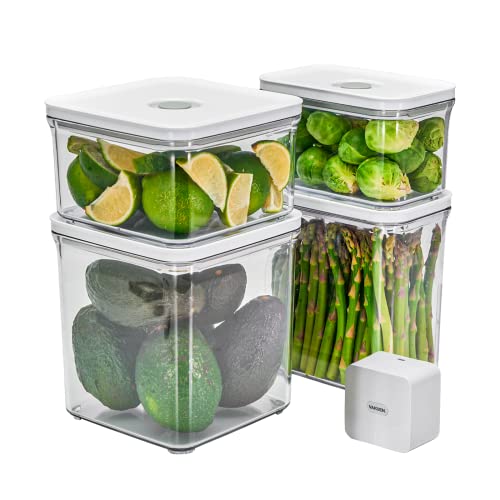
Versus the VAKUEN Premium Airtight Vacuum Food Storage Set: the VAKUEN set is the step up for anyone who doesn't already own a FoodSaver. It chases the same pantry job, keeping coffee, grains, and dry goods sealed, but is built to stand on its own rather than lean on a separate sealer machine to pull the air. You pay more for the self-contained convenience.
Versus the HOLDN'STORAGE Vacuum Food Storage Containers: this is the closest like-for-like, a comparable mid-tier canister set aimed at the same pantry and fridge use. It's the one to price against the FoodSaver containers when a set is on sale, and it stakes its case on the same reusable, stackable, low-waste idea.
Versus the LemonRoad 9-Set Vacuum Seal Containers: the LemonRoad set is the budget floor. Nine pieces at the lowest outlay make it the low-risk way to test whether vacuum canisters fit your routine before committing to a pricier set. You trade some long-term lid durability for the cheaper entry, which is a fair way in.
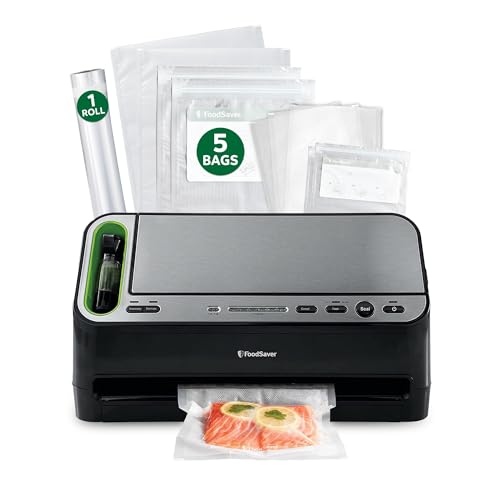
And the companion, a FoodSaver Vacuum Sealer Machine: this is the piece that actually pulls the vacuum. If you're buying the FoodSaver containers and don't already own a sealer with an accessory port, this is the machine that makes them work, and the same machine seals bags for the bulky, liquid, or oddly shaped batches canisters can't handle.
Using it well
Use them where they pay off first: dry goods like coffee, nuts, flour, and grains, plus freezer portions where air is the enemy. Let hot food cool before you seal, so condensation doesn't sit inside the container. Don't seal hard-off-gassing produce and expect the vacuum to hold, because the gas will break it. For marinades, pull the vacuum, wait a few minutes, and you get overnight flavor on a Tuesday. Check the lid gasket and valve every so often. A clean, intact seal is the only thing keeping them working.
If you're deciding how the canisters fit alongside bags and a machine, it's worth reading how the pieces work together first. Our guide to the best vacuum sealer for sous vide and the freezer walks through which jobs suit canisters, which suit bags, and what to look for in the machine that runs both.
Should you buy a set
If you already own a FoodSaver, yes. Keeping pantry staples fresh, cutting the bag waste out of a sealing habit, and getting a fast vacuum marinade on a weeknight are exactly what these are built for, and they do all three. Adding reusable canisters to a machine you already have is a cheap upgrade that pays back every time you skip a bag.
Two caveats keep us from going further. The canisters need a FoodSaver to work, so price the machine in if you don't own one, and the seal lives in a plastic lid and valve that owners do watch wear out. Keep your return options open and treat the lids as consumable. Expect a dry-goods-and-freezer tool with a good marinade trick, not a miracle on three-day leftovers, and the shelf space is well spent.
Our Ratings
Overall score
Pantry staples and fast marinades are what these containers are for. Pull the air out and coffee, nuts, flour, and washed greens hold noticeably longer than they do under a normal lid, while the marinate cycle drives seasoning into meat in minutes instead of overnight. Owners are honest that the gain on already-fresh fridge leftovers is small and the payoff concentrates in dry goods and freezer storage. Solid, then, rather than spectacular.
The lids drag this score down. The rigid bodies are fine. The seal is only as good as the lid gasket and the one-way valve, and those are the parts owners watch fail: plastic cracks with age, valves stop holding a full vacuum, and a set that loses its seal is an expensive storage box. Test every lid overnight in the first week, and treat the lids as consumable.
Living with them is the easy part. They stack cleanly, go in the dishwasher, and there's no bag consumable to keep rebuying, so the running cost is lower than a bag-and-roll habit over time. The catch is they aren't standalone: you need a FoodSaver machine or handheld with an accessory hose to pull the vacuum, so factor that in if you don't already own one. Once you do, sealing a canister takes seconds.
FoodSaver Vacuum Containers Reviews (2026) on Amazon.
What People Are Saying
Owners who use rigid vacuum canisters like them for the same three reasons: they stack better than a drawer of mismatched tubs, they cut the bag waste that comes with a sealer, and they slow staling on dry goods and freezer items. The doubts all concentrate on the seal. A real slice of owners question whether the lid pulls all the air out at all, and reports of cracked plastic lids and loosening valves show up across every brand, not just this one.
Plenty still reach for them for marinades and pantry staples. Cautiously positive is where the community sits, and honestly, so do we.
We weight candid owner reports from Reddit and preservation forums above brand-influenced editorial coverage, then reach our own verdict from them. The quotes below are the evidence; the rating and the take are ours.
What Reddit Is Saying
“For food storage in either case, vacuum sealing always wins because of the removal of air. If you don't have a freezer, vacuum will ensure safety better every time, and the food will last longer, but that's generally overkill and there's better ways around this issue.”View thread →
“Containers genuinely do work, the food just doesn't dry out and crystallize the way it does in normal tupperware. Way less mess than the bag approach which I tried first and gave up on, portioning soup or anything liquid into a vacuum bag is genuinely a pain.”View thread →
“That works fine for some things, but obviously vacuum sealing liquids in a bag means you have to freeze them first or the bag compressing will make a mess in the vacuum sealer and potentially short it. It can also ruin the texture or composition of some foods like casseroles which are layered”View thread →
“Vacuum sealing will not help with frozen food. It can be beneficial with some food in the fridge - salads can last a bit longer with vacuum sealing. More important is just having an airtight seal and packing food properly.”View thread →
“Yes, you might get a few extra days with a vacuum sealed item in the refrigerator, but it's not really significant. Not like 2 days vs 3 months, or anything like that. Freezing, on the other hand, is a different matter completely.”View thread →
“I have set of vacuum containers from zwilling. Now I know its overkill for cooked meal stored in fridge just for 3 days and I will save them for freezer.”View thread →
“I saw this on a Kickstarter-like-site about 2 years ago and was so excited by the concept. I think the avocado is probably wishful thinking but if it did keep excess avocado from browning for even two days I'd be all over that.”View thread →
“Lots of things I'd like to prep will spoil in even 5 days, yet I'd like to be able to get a full 7 days out.”View thread →
“I have used the food saver version and didn't find it all that useful. Produce makes gas. That has has to go somewhere. I use the glass container for marinades but that's it.”View thread →
“There's just no way that all the air is getting out of those containers.”View thread →
“I think I have the same containers, they're pretty Terrible.”View thread →
“The Luvele seems to be the only one with stainless steel lids which should fail less than all the plastic ones. Not many reviews though.”View thread →
“The plastic lid is the weakest part of the solution, and there are persistent reports of it cracking over time with normal use, thereby rendering it useless.”View thread →
Frequently asked questions
Is the FoodSaver Vacuum Containers worth it?
Living with them is the easy part. They stack cleanly, go in the dishwasher, and there's no bag consumable to keep rebuying, so the running cost is lower than a bag-and-roll habit over time. The catch is they aren't standalone: you need a FoodSaver machine or handheld with an accessory hose to pull the vacuum, so factor that in if you don't already own one.
How is the FoodSaver Vacuum Containers built?
The lids drag this score down. The rigid bodies are fine. The seal is only as good as the lid gasket and the one-way valve, and those are the parts owners watch fail: plastic cracks with age, valves stop holding a full vacuum, and a set that loses its seal is an expensive storage box.
What is the FoodSaver Vacuum Containers best suited for?
Pantry staples and fast marinades are what these containers are for. Pull the air out and coffee, nuts, flour, and washed greens hold noticeably longer than they do under a normal lid, while the marinate cycle drives seasoning into meat in minutes instead of overnight. Owners are honest that the gain on already-fresh fridge leftovers is small and the payoff concentrates in dry goods and freezer storage.
What do real owners say about the FoodSaver Vacuum Containers?
Owners who use rigid vacuum canisters like them for the same three reasons: they stack better than a drawer of mismatched tubs, they cut the bag waste that comes with a sealer, and they slow staling on dry goods and freezer items. The doubts all concentrate on the seal. A real slice of owners question whether the lid pulls all the air out at all, and reports of cracked plastic lids and loosening valves show up across every brand, not just this one.
Options Worth Checking Out
VAKUEN Premium Airtight Vacuum Food Storage Set
The step up for anyone who doesn't already own a FoodSaver. It chases the same pantry goal of keeping coffee, grains, and dry goods sealed and fresh, but is built to stand on its own instead of leaning on a separate sealer machine to pull the air.

HOLDN'STORAGE Vacuum Food Storage Containers
The closest cross-shop to the FoodSaver canisters: a comparable mid-tier set aimed at the same pantry and fridge freshness job. Worth pricing against the FoodSaver containers whenever one set is on sale, built on the same reusable, stackable, low-waste idea.

LemonRoad 9-Set Vacuum Seal Containers
The cheaper way in. A nine-piece set at the lowest outlay makes it the low-risk way to test whether vacuum canisters fit your routine before spending more. You trade some long-term lid durability for the price, but it is a fair way to find out if you will use them.
You Might Also Need
Accessories worth grabbing alongside your purchase