Best Vacuum Sealer for Sous Vide and Long-Term Freezer Storage
By June Park · Updated October 2026
Independent editorial guide. We never accept payment for coverage, though we may earn a commission if you purchase through our links.
Quick Take
For sealing sous vide pouches and food you want to keep in the freezer for months, buy a solid external sealer with a real wet-food setting and skip the fancier stuff until you know you need it. The FoodSaver is the default for a reason: it's easy to find, the bags are everywhere, and it makes a reliable seal on everyday freezer prep and sous vide portions. Run it on generic rolls instead of the pricey pre-cut bags and it does almost everything a home cook needs.
The catch is that a weak or fussy seal is worse than no sealer at all, because it lets air back in and gives you freezer burn on food you thought was protected. Wet food is where cheap machines fail, since marinades and juice from thawing meat get pulled into the seal and ruin it. If you seal in real volume, or you seal a lot of liquids, a heavier commercial unit or a chamber sealer earns its counter space through cheaper bags and stronger seals. Most people don't need that. Some do.
Which camp you fall in comes down to volume and liquid. Below, the five machines we would spend money on for meat and marinades. See picks ↓
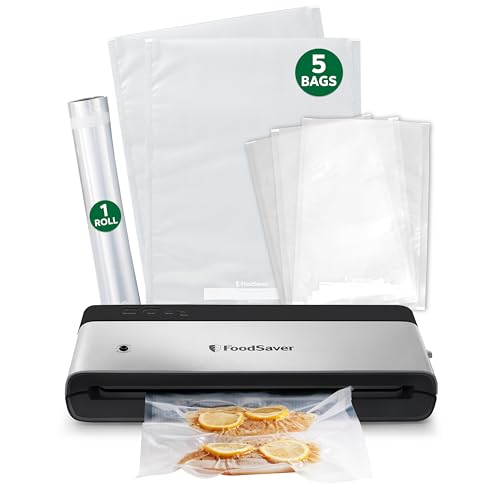
Most vacuum sealer roundups treat every job the same. Sous vide and long-term freezer storage aren't the same job as sealing a bag of chips, and they ask more of the machine. You're bagging wet proteins, marinades, and portions you need to trust three months from now, and a seal that looks fine on the counter can quietly fail in the cold.
Read through enough sous vide threads and the same handful of worries come up over and over. Will the seal actually hold, or will air creep back in overnight? Can it handle liquid without pulling marinade into the seal bar? And how much are those bags going to cost you over a few years of weekly meal prep? Those three questions decide almost every purchase, and the brand name matters a lot less than how a machine answers them.
We built this guide around those three arguments: seal reliability, wet-food handling, and the long-run cost of bags. Get them right and everything else, counter space and warranty included, is a preference call.
What matters for a sous vide and freezer sealer
Three things decide whether a sealer is right for sous vide and freezer storage. The seal has to hold for months. The machine has to handle wet food without choking on the liquid. And the bags cannot cost a fortune every time you buy meat in bulk. Almost every complaint and every rave in the sous vide community traces back to one of those three.
Counter footprint, a built-in roll cutter, a viewing window, the color of the housing: nice to have, none of them decide whether your brisket is still good in March. Work out how hard you will push a machine on the three below before you start comparing brands.
- A seal that stays airtight through months in the freezer, not just a tight bag on the counter.
- A genuine wet or moist mode for marinades, brines, and juice from thawing meat.
- Bags you can afford at the volume you seal, whether that's proprietary rolls or generic ones.
Seal reliability comes first
A vacuum sealer has exactly one job, and if the seal is unreliable you've bought an expensive bag warmer. The frustrating part is that a bad seal often looks fine. The bag is tight when you pull it off the machine, then air creeps back in over a few hours or a few weeks, and you don't find out until the food is freezer burned.
So owners who seal a lot gravitate toward machines with a track record, and the recurring advice is to stop buying the cheapest thing on repeat. One person summed up the false economy plenty of people live through first:
Agree with this. I went through 3 cheap ones from Amazon over the course of about 5 years until I finally had spent the equivalent of buying a nice food saver. I finally got the food saver from Costco and it's been rock solid. So just do it, spend a little more now and save money later.
A machine that holds up just keeps going, wet food and all, and that is the most common reason owners stick with a plain FoodSaver instead of chasing something fancier:
Food Saver has never failed me. Even with tons of fish blood/juices in the sealing area, seal is 100% solid every time.
Pump strength and a clean, even seal bar are worth more than any feature list on the box. If a sealer needs perfect technique to work at all, the machine is failing you.
The wet-food problem nobody warns you about
Sous vide is wet by nature, and that trips up first-time buyers. You're bagging marinades, brines, and proteins that leak liquid as they thaw, and a standard dry seal pulls that liquid right up into the seal bar. Moisture between the layers of plastic means the seal won't fuse. That's the bag that fails in the freezer.
A real wet or moist setting slows the vacuum down so it can pull air without pulling liquid, which is exactly what you want for anything juicy. An owner who does heavy freezer prep laid out how much this matters day to day:
I had a low-end Foodsaver that lasted a long time, replaced it with the Foodsaver Elite model, and really like it. It does a few things really well that others don't. It can seal liquids in a bag - anything as viscous as chicken stock or thicker. We do a ton of freezer prep, so sealing soups/stews/braises is really great. Stuff in gravy like Ikea meatballs or stroganoff work well too. I always freeze the bags flat, so they can be stacked in a box or on the freezer door. Being flat, they thaw or reheat in the SV very quickly. It has a pulse button, so I can suck the air out slowly if its something wet like raw chicken.
The pulse button in that description is doing quiet work. On a dry-only machine you can stop the vacuum by hand the moment liquid starts to move, then hit seal. More a skill than a spec, and the cheapest way to handle wet food on a basic unit. Seal marinades and soups often, though, and a dedicated moist mode saves you the babysitting.
Bag cost is the number people forget
The sticker price is the small number. Over a few years of weekly meal prep the bags are the big one, and the brands diverge quietly here. Proprietary textured rolls seal beautifully and cost the most. Generic rolls that fit most external sealers cost less and work nearly as well. Chamber sealer bags are smooth, cheap, and the reason high-volume cooks switch.
Plenty of owners run their FoodSaver on generic rolls and never look back, which takes most of the sting out. Seal in real bulk, though, and the math starts to favor a chamber unit. One owner did the arithmetic after moving up:
I've had the same experience. Bought a VacMaster 215. Not cheap but: 1) really works; 2) seals liquids; 3) don't need special bags; and 4) bags are cheaper. I mean, 10% of vacuum sealer bags. I figure in another 3-4 years the cost will even out. They are not small and they are heavy. I put it on a cart so I can wheel it into my pantry when not in use.
A heavier machine that takes cheap bags can pay for itself if you seal enough. Seal a few bags a week and it never will, and the counter space is not worth it.
External or chamber: which one you need
For most people the answer is external, and we would not agonize over it. External sealers are light, cheap, and take up little room. They struggle with thin liquids and burn through pricier bags. For portioning meat and sealing sous vide pouches they are all most cooks ever need.
Chamber sealers are the upgrade for volume and liquids. They seal soups and marinades without freezing them first, they draw a stronger vacuum, and their bags cost a fraction of external ones. The tradeoff is that they're heavy, they hog counter space, and the cheapest ones come with real support and reliability risks. One owner who moved through the tiers landed here:
had two foodsavers = garbage (costco took them back), vacmaster was much better than foodsaver and lasted a while. Now using Avid Armor chamber sealer = fantastic! Downside is that the sealing bag size is a little small (I know there is a hack to use rolls).
Plenty of people who bought a chamber wish they had kept a good external. Cutting bags to any size and sealing big cuts matters more in a home kitchen than raw liquid capacity. Here is that counterpoint from someone who owned both:
The Pro is more versatile for anything that doesn't require a chamber. You can bags things at very widely different sizes without wasting plastic, and you can bag big stuff. The Anova chamber is okay, nothing more. The vacuum isn't strong. But on the plus side, it doesn't weigh 85 lbs...
A whole camp thinks the chamber argument is overblown for a home cook, since technique and a cheap machine handle liquids well enough. Worth hearing before you spend big:
Buy the cheapest smallest FoodSaver vac for less than $100, and put the rest away in an index fund. Also, unless you just like to burn money and have excess counter space everywhere, ignore the people pushing for a chamber vac. "But I can vacuum seal liquids!". Uh, you know that since it's a liquid, you can just put it in a freezer bag and squeeze all the air out yourself without any vacuum at all, right?
Freezer burn means the seal let go
Freezer burn happens when air reaches the surface of frozen food and dries it out. A vacuum seal prevents it by removing that air. So freezer burn on vacuum-sealed food almost always means the seal let air back in, and blaming the freezer is looking in the wrong place.
Anyone shopping for meals that keep is shopping for seal reliability, whether they put it that way or not. A typical buyer describing the goal in their own words:
I want to vacuum seal meats(ground beef, turkey, steaks), chili(I make mine thick), fish, cooked rice and beans, veggies(asparagus, broccoli), par cooked potatoes... Would like to be able to get the longest life I can out of these things and cut down on freezer burn.
Weight everything toward the seal when you compare machines. A tight vacuum on day one means nothing if the bag is soft by next week. Buy the unit that seals reliably on wet food, use bags that match it, and freeze portions flat so they stack easily and thaw fast.
So which one
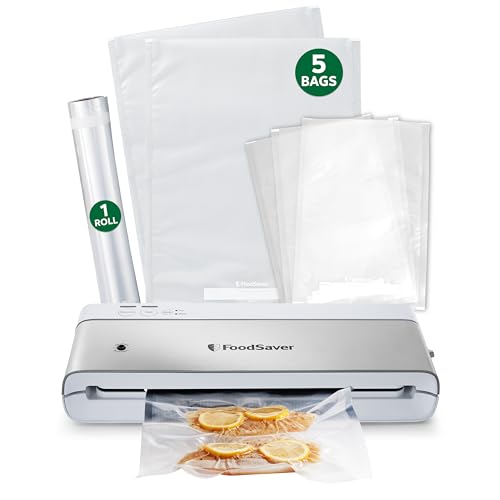
We would buy a solid external FoodSaver with a wet setting and run it on generic rolls. It seals reliably, the bags turn up in every supermarket, and it handles the everyday mix of sous vide portions and freezer prep without drama.
Want the best wet-food handling and cut-to-size bags without moving up to a chamber? A dual wet-and-dry external like the Anova Pro is the cross-shop. Sealing in real volume, or a lot of liquids? A commercial external you buy once, or a chamber sealer if you have the room, pays you back in cheaper bags and stronger seals. On a tight budget, the smallest reliable sealer plus a roll of generic bags still cuts freezer burn and outlasts the food you put in it. Match the machine to how hard you will push it, and when a call is close, take the better seal.
Recommended
Products related to this guide.



What owners say
Real owner reports from the threads and editorial sources we drew on for this guide.
“Agree with this. I went through 3 cheap ones from Amazon over the course of about 5 years until I finally had spent the equivalent of buying a nice food saver. I finally got the food saver from Costco and it's been rock solid. So just do it, spend a little more now and save money later.”
— r/sousvide / u/Joebuddy117
“Food Saver has never failed me. Even with tons of fish blood/juices in the sealing area, seal is 100% solid every time.”
— r/sousvide / u/DargonFeet
“I had a low-end Foodsaver that lasted a long time, replaced it with the Foodsaver Elite model, and really like it. It does a few things really well that others don't. It can seal liquids in a bag - anything as viscous as chicken stock or thicker. We do a ton of freezer prep, so sealing soups/stews/braises is really great. Stuff in gravy like Ikea meatballs or stroganoff work well too. I always freeze the bags flat, so they can be stacked in a box or on the freezer door. Being flat, they thaw or reheat in the SV very quickly. It has a pulse button, so I can suck the air out slowly if its something wet like raw chicken.”
— r/sousvide / u/PierreDucot
“I've had the same experience. Bought a VacMaster 215. Not cheap but: 1) really works; 2) seals liquids; 3) don't need special bags; and 4) bags are cheaper. I mean, 10% of vacuum sealer bags. I figure in another 3-4 years the cost will even out. They are not small and they are heavy. I put it on a cart so I can wheel it into my pantry when not in use.”
— r/sousvide / u/namagiqa
“had two foodsavers = garbage (costco took them back), vacmaster was much better than foodsaver and lasted a while. Now using Avid Armor chamber sealer = fantastic! Downside is that the sealing bag size is a little small (I know there is a hack to use rolls).”
— r/sousvide / u/theoriginalchrise
“The Pro is more versatile for anything that doesn't require a chamber. You can bags things at very widely different sizes without wasting plastic, and you can bag big stuff. The Anova chamber is okay, nothing more. The vacuum isn't strong. But on the plus side, it doesn't weigh 85 lbs...”
— r/sousvide / u/frenchman321
“Buy the cheapest smallest FoodSaver vac for less than $100, and put the rest away in an index fund. Also, unless you just like to burn money and have excess counter space everywhere, ignore the people pushing for a chamber vac. "But I can vacuum seal liquids!". Uh, you know that since it's a liquid, you can just put it in a freezer bag and squeeze all the air out yourself without any vacuum at all, right?”
— r/sousvide / u/LookDamnBusy
“I want to vacuum seal meats(ground beef, turkey, steaks), chili(I make mine thick), fish, cooked rice and beans, veggies(asparagus, broccoli), par cooked potatoes... Would like to be able to get the longest life I can out of these things and cut down on freezer burn.”
— r/sousvide / u/mrfunbun