Best Pressure Canner for Beginners (2026)
By Theo Marchetti · Updated September 2026
Independent editorial guide. We never accept payment for coverage, though we may earn a commission if you purchase through our links.
Quick Take
For almost every beginner, the right first pressure canner is the Presto 01781 23-quart. It is affordable, it is the canner the largest community of home canners already uses, replacement parts are everywhere, and it is forgiving of the small mistakes every first-timer makes. Add the inexpensive Presto weighted regulator and it becomes nearly hands-off: no dial to watch, just a weight that rocks when you are at pressure.
Two things decide whether that exact model is right for you. First, your stove: plain-bottom Presto aluminum will not heat on an induction cooktop, so induction and some glass-top kitchens need the stainless-clad Presto 01784 instead. Second, resist buying small; a 23-quart canner is more forgiving than a little one and doubles as a water bath canner, so it is the better first buy for most people.
Below: why the Presto is the standard first canner, the gauge and stove decisions that actually matter, what size to get, and what not to waste money on yet. See picks ↓

A pressure canner is the one piece of gear that scares new canners, and the fear is mostly a hangover from grandma-era stories about jiggling pots that blew their lids off. Modern canners have multiple redundant safety systems and are genuinely hard to misuse. But the fear does one useful thing: it makes people overthink the purchase. This guide is here to make that purchase simple.
The market is simpler than it looks. There are really only two brands a beginner should consider, Presto and All American, and for a first canner one of them wins on almost every count that matters early on: price, forgiveness, community support, and how easy it is to get parts. We will make the case for that, then walk the three decisions, gauge, stove, and size, that determine which specific model you order.
New to all of this? Read our beginner canning guide first for the safety basics, and our water bath vs pressure canning guide if you are still deciding whether you even need a pressure canner yet.
First, the rule that makes this purchase non-negotiable
You are buying a pressure canner for one reason: low-acid foods. Meat, poultry, seafood, stock, green beans, corn, and most plain vegetables have too little acid to be safe in a boiling water bath, and per the National Center for Home Food Preservation they must be processed at about 240F, a temperature only a pressure canner reaches. A water bath tops out at 212F no matter how long it boils. So this is not a nice-to-have appliance you are talking yourself into; if you want to can anything low-acid, it is the only safe tool, and the only question is which one.
Why the Presto is the standard first canner
Ask where to start in any canning community and the same answer comes back: get a Presto. That is not brand loyalty, it is a stack of practical advantages that all matter more to a beginner than to anyone else. It is the cheapest way into real pressure canning by a wide margin. It is the most common canner in home kitchens, which means when you get stuck, the person answering your question almost certainly owns the same pot. And its parts, gaskets, overpressure plugs, sealing rings, are a few dollars and available everywhere, so a worn part is a minor errand, not a dead canner.
A Presto is a good entry level pressure canner. You can get one at Walmart or Amazon.
That combination, cheap to buy, cheap to maintain, and backed by the biggest owner community, is exactly what you want while you are still learning and still likely to make a beginner mistake or two.
I like the Presto as the weight is so much lighter than the AA. I sold my AA and kept the Presto 16 and 23 qt models.
Dial or weighted gauge? For a beginner, add the weight
A Presto ships with a dial gauge, a needle you watch to hold the right pressure. Dial gauges work, but they have two beginner downsides: you have to babysit the needle the entire time, and the NCHFP says dial gauges must be tested for accuracy once a year at an extension office. The fix is a five-dollar accessory that most experienced owners consider essential: the Presto three-piece weighted regulator. It sits on the vent and rocks or jiggles when you are at the right pressure, so the canner tells you audibly instead of making you stare. It never needs testing, and it takes the single most nerve-wracking part of a first run, "am I reading this dial right?", off the table.
it was miles better for me not having to constantly look at the gauge
can water. Do it to get used to hearing the noises it'll make and know the "dance" your weighted gauge should be doing. Like a waltz.
Buy the canner and the weight together. It is the cheapest upgrade in canning and the one that most flattens the learning curve.
Stock is super easy and forgiving for first timers. Read through the manual that came with your canner a few times beforehand. You can also do a practice run with jars of water to get the hang of the process.
Match it to your stove before anything else
This is the one mistake that turns a good canner into a doorstop. A standard Presto has a plain aluminum bottom, which will not heat on an induction cooktop at all, and some flat glass-top stoves discourage large-diameter canners. If your kitchen is induction, or you are unsure, buy the stainless-clad Presto 01784 instead; it is built for exactly that stove and cans identically otherwise. Our guide to the best pressure canner for a glass-top or induction stove goes deeper if that is your situation. Check your stove first; everything else is secondary.
What size? Counterintuitively, buy the big one
New canners often reach for the smallest, least intimidating canner. That is backwards. A 23-quart canner is more forgiving than a small one, not less: it holds a full seven quart jars or a double-stacked load of pints, so you are not forced to run tiny batches, and it doubles as a water bath canner with the lid vented and no weight, which means one pot covers both kinds of canning. A too-small canner is the purchase beginners most often regret and re-buy. Unless your kitchen or storage space is very tight, start with the 23-quart.
I love my 16qt Presto. We are a small family or I would have gone with the larger so I can stack jars.
What NOT to buy first
Two tempting options are wrong for a beginner. The first is an electric "pressure canner" or a multicooker with a canning button: most have not been tested by the USDA to reach and hold safe pressure for low-acid canning, and this is the one appliance category where "probably fine" is not good enough. Stick to a tested stovetop canner. The second is the All American. It is a superb, buy-it-once canner with a gasket-free metal-to-metal seal, and if you already know canning will be a lifelong habit it is defensible. But for a first canner it is heavy, expensive, and its wingnut lid has a learning curve, three things a nervous beginner does not need to pay for on day one. Our Presto vs All American comparison lays out exactly when the upgrade is worth it.
Its a quarter of the price of the American. It works great and half the weight of the American as well.
So which canner should you buy first?
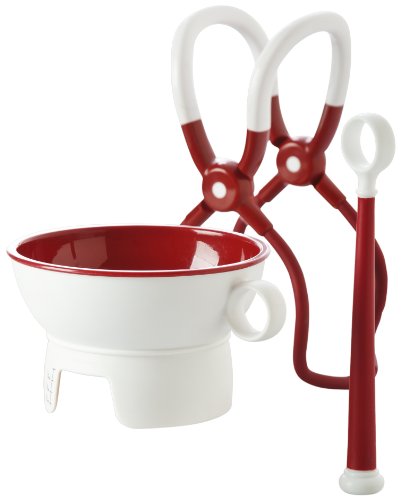
For most beginners: the Presto 01781 23-quart, plus the weighted regulator and a basic set of canning tools. If your stove is induction, swap in the Presto 01784. That setup is under the price of one nice dinner out, it will outlast years of learning, and it is the exact rig the community around you already knows how to help you run. Once you have put up a few batches and know you are hooked, that is the time to consider stepping up to an All American, not before. The picks below are that starter setup.
Recommended
Products related to this guide.


What owners say
Real owner reports from the threads and editorial sources we drew on for this guide.
“A Presto is a good entry level pressure canner. You can get one at Walmart or Amazon.”
— r/Canning / u/Ahkhira
“I like the Presto as the weight is so much lighter than the AA. I sold my AA and kept the Presto 16 and 23 qt models.”
— r/Canning / u/CastingOutNines
“it was miles better for me not having to constantly look at the gauge”
— r/Canning / u/onlymodestdreams
“can water. Do it to get used to hearing the noises it'll make and know the "dance" your weighted gauge should be doing. Like a waltz.”
— r/Canning / u/n_bumpo
“Stock is super easy and forgiving for first timers. Read through the manual that came with your canner a few times beforehand. You can also do a practice run with jars of water to get the hang of the process.”
— r/Canning / u/WinterBadger
“Its a quarter of the price of the American. It works great and half the weight of the American as well.”
— r/Canning / u/Chris_Fox
“I love my 16qt Presto. We are a small family or I would have gone with the larger so I can stack jars.”
— r/Canning / u/Jdmisra81
Sources
NCHFP / USDA: Using Pressure Canners (why low-acid needs 240F) · NCHFP / USDA: Checking dial gauges for accuracy