How Many Oxygen Absorbers for a 5-Gallon Bucket? (2026)
By Ruth Alvarez · Updated October 2026
Independent editorial guide. We never accept payment for coverage, though we may earn a commission if you purchase through our links.
Quick Take
For a 5-gallon bucket lined with a sealed Mylar bag and filled with dry, dense food like white rice, beans, or wheat, use 2000cc of oxygen absorbers: one 2000cc absorber, or five to seven 300cc absorbers. For lighter, airier foods (pasta, rolled oats, freeze-dried) step up to about 2500 to 3000cc, because there's more trapped air to clear. You can't over-absorb, so when in doubt, round up.
The one rule that matters more than the number: the absorbers only work inside a Mylar bag you heat-seal. A bare bucket is not airtight enough on its own.
Not sure for your exact bag or jar size? Run the numbers in our oxygen absorber calculator. See picks ↓
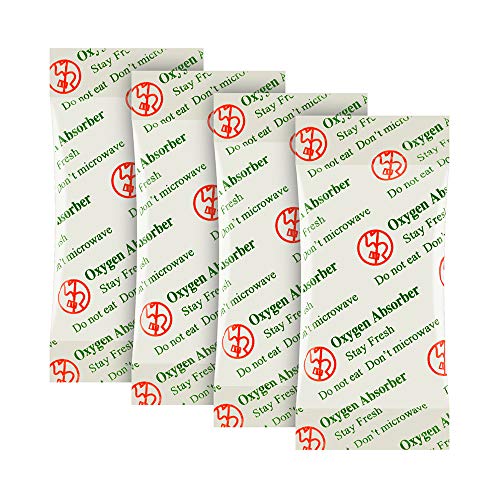
It's the question every new long-term-storage prepper hits on day one: you've got a 5-gallon bucket, a bag of rice, and a strip of little oxygen-absorber packets, and no idea how many to throw in. Guess low and the food slowly oxidizes; guess high and you feel like you wasted packets. The good news is the answer is simple and forgiving.
The short version is 2000cc for a full bucket of dense dry goods, and you cannot use too many. But the number is the easy part. The mistake that actually ruins food storage isn't the count of absorbers, it's skipping the Mylar bag, or sealing food that was never dry enough to be safe. This guide covers all three: how many, why the bag matters more, and what you should never seal this way.
The short answer: 2000cc per bucket
For a standard 5-gallon bucket or Mylar bag packed with dense dry staples, the working number is 2000cc of oxygen-absorbing capacity. You can hit that with a single 2000cc absorber, or with five to seven of the common 300cc packets, which is why so many storage kits ship 300s in bulk. The cc rating is simply how much oxygen a packet can neutralize, and it scales with the space you're clearing:
Oxygen is still present and can cause food to go bad, even dehydrated. How many CCs depends on the size of the mylar bag/jar.
That's the whole principle. Bigger sealed space, more air to clear, more cc. A quart jar wants 100 to 300cc, a one-gallon bag 300cc, a #10 can 500 to 750cc, and a full 5-gallon bucket 2000cc. If you'd rather not eyeball it, our oxygen absorber calculator gives you the number for any container.
| Container | Dry, dense food (rice, beans, wheat) | Light, airy food (pasta, oats, freeze-dried) |
|---|---|---|
| 5-gallon bucket or bag | 2000cc (or 5-7 x 300cc) | 2500-3000cc |
| 1-gallon Mylar bag | 300cc | 500-600cc |
| #10 can | 500-750cc | 750cc |
| Quart jar or small bag | 100-300cc | 300cc |
The bag matters more than the number
Here is the mistake that actually wastes absorbers: dropping them into a bare bucket. A 5-gallon bucket is not an airtight container. The HDPE plastic is slightly oxygen-permeable, and even a good gasket lid is not a hermetic seal, so a bucket slowly breathes. An oxygen absorber sitting in a bare bucket just exhausts itself against the air that keeps seeping in, and your food is barely protected.
The fix is the standard method: line the bucket with a food-grade Mylar bag, fill it, drop the absorbers in, and heat-seal the Mylar shut. The Mylar does the actual oxygen-blocking. The bucket is just armor around it, protecting the bag from crushing, punctures, and rodents. Get the bag right and the absorber count does its job; skip the bag and no number of absorbers will save the food.
Can you use too many?
No, and this is the part that takes the pressure off. Oxygen absorbers work by binding oxygen to iron powder, and once all the available oxygen is consumed, the leftover iron simply stops reacting. Extra capacity doesn't harm the food or the bag, so rounding up is always safe. They're cheap enough that erring high costs almost nothing:
You can buy food storage size absorbers on Amazon for fairly cheap. I often get them packaged with the Mylar bags I buy. Right now the 500cc packets run about 10 cents each on Amazon, depending on who you buy from.
So if you have 300cc packets and a bucket, use seven rather than five and stop worrying. The only real error is going too low on airy foods, where a bag full of shaped pasta or freeze-dried meals holds far more air than the same bucket packed with rice.
Should the sealed bag look vacuum-packed?
This trips up almost everyone. People seal a bucket, come back the next day, and panic that the Mylar isn't sucked tight like a vacuum-sealed bag, so they assume the absorbers failed. They didn't. Oxygen is only about a fifth of the air. An absorber pulls the oxygen out, but the nitrogen that makes up most of the air stays behind, so a correctly sealed bag looks mostly unchanged, maybe a little slack:
80% of the air will remain. I have no idea where this myth even started. Oxygen (and moisture) absorbers are meant to be used in vacuum sealed bags, they don't make a vacuum.
A dense bag of rice or flour may draw in slightly and firm up as the oxygen leaves. An airy bag may barely change at all. Neither is a failure. If you want proof the absorber is alive, some packets include a color oxygen indicator, and a spent one feels warm and hardens into a solid brick.
What you should never seal this way
This is the one section where getting it wrong is dangerous rather than just wasteful. Oxygen absorbers and Mylar create a low-oxygen environment, which is exactly the condition Clostridium botulinum, the botulism organism, needs to grow, if there's enough available moisture. The safety line is not just how the food feels but its water activity:
If the item you are sealing has a high enough available water content, it’s a breeding ground for botulism. It isn’t about moisture it’s about available water.
In plain terms: only seal foods that are genuinely, crisply dry. Commercially dry staples like white rice, beans, wheat, pasta, and rolled oats are fine as they come. Home-dehydrated food is the trap, because it often looks dry while still holding enough moisture to be unsafe sealed at room temperature:
Be careful vacuum sealing dehydrated foods. That can lead to botulism. Only very dry foods are safe to vacuum seal and leave at room temperature.
Two more foods to keep out of long-term oxygen-sealed storage, for quality rather than safety. Oily foods (brown rice, nuts, whole-grain flours, granola) go rancid from their own fats even without oxygen, so they won't last like white rice will. And sugar and salt don't need oxygen absorbers at all, since they don't spoil from oxygen. What actually cakes them into a brick is moisture, which is a job for a desiccant rather than an oxygen absorber:
Those are moisture absorbers - you need oxygen absorbers for food storage. Moisture absorbers CAN be used in salt and sugar.
The setup, start to finish
Put it together and the whole process is five steps: drop a food-grade Mylar bag into the clean, dry 5-gallon bucket; fill it with your dry, dense staple, leaving a few inches at the top; toss in 2000cc of oxygen absorbers (round up for airy foods); press out the loose air and heat-seal the Mylar across the top with an iron or hair straightener; then snap the bucket lid on for physical protection. A gamma-seal lid makes a bucket you open regularly far easier to get into. Label it with the food and the date, and that's a bucket that will still be good a decade or two out.
Storing rice and beans specifically is its own small craft. For the full walkthrough, ratios, and shelf-life expectations, see our guide to storing rice and beans long-term, and our roundup of the best Mylar bags and oxygen absorbers for which bags and packets actually hold up.
Recommended
Products related to this guide.


What owners say
Real owner reports from the threads and editorial sources we drew on for this guide.
“Oxygen is still present and can cause food to go bad, even dehydrated. How many CCs depends on the size of the mylar bag/jar.”
— r/preppers / u/Ryan_e3p
“You can buy food storage size absorbers on Amazon for fairly cheap. I often get them packaged with the Mylar bags I buy. Right now the 500cc packets run about 10 cents each on Amazon, depending on who you buy from.”
— r/preppers / u/ExtraplanetJanet
“80% of the air will remain. I have no idea where this myth even started. Oxygen (and moisture) absorbers are meant to be used in vacuum sealed bags, they don't make a vacuum.”
— r/preppers / u/Davisaurus_
“If the item you are sealing has a high enough available water content, it’s a breeding ground for botulism. It isn’t about moisture it’s about available water.”
— r/preppers / u/AWintergarten
“Be careful vacuum sealing dehydrated foods. That can lead to botulism. Only very dry foods are safe to vacuum seal and leave at room temperature.”
— r/preppers / u/DIYnivor
“Those are moisture absorbers - you need oxygen absorbers for food storage. Moisture absorbers CAN be used in salt and sugar.”
— r/preppers / u/InformationPrevious