Best Mason-Jar Fermentation Lids: Airlock vs Spring vs Waterless
By Ruth Alvarez · Updated October 2026
Independent editorial guide. We never accept payment for coverage, though we may earn a commission if you purchase through our links.
Quick Take
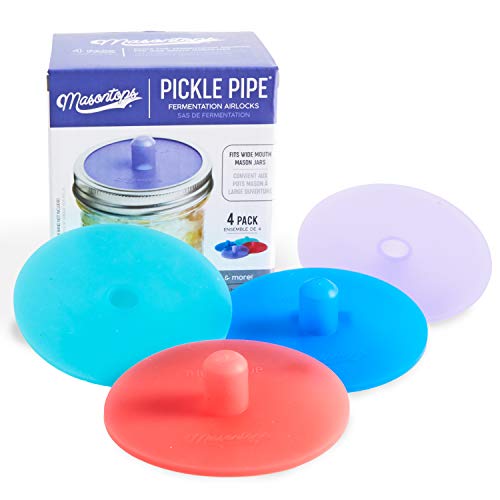
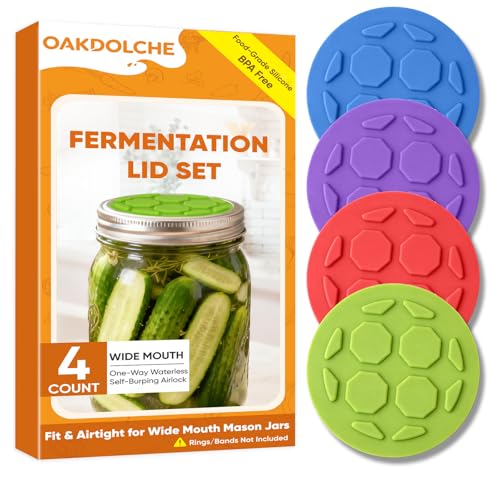
For a first fermentation lid, buy a waterless silicone valve: Masontops Pickle Pipes or an Easy Fermenter set. They screw onto any wide mouth mason jar in place of the flat lid and burp their own CO2 through a one-way dome. Nothing to refill, no small parts to lose. Setup is basically zero, which is why new fermenters reach for them and keep using them.
You trade a slightly looser seal than a true water-channel airlock, the kind homebrewers swear by, where a moat of water lets gas out and blocks oxygen coming back in. Airlocks are more reliable and more fiddly in equal measure, with a water level to watch and more pieces to clean. Spring-top and press kits split the difference, sealing by pressure instead of water. What none of them fixes is food floating above the brine, which causes most first-batch mold.
Below: how the three lid types compare on fuss, mold, and fit, plus the four we'd put on your jars. See picks ↓
Every fermentation thread eventually lands on the same question: what goes on top of the jar? A flat canning lid works if you're willing to loosen it and let the gas out by hand a few times a day. Most people would rather buy something that does the burping for them, and then the choices pile up fast.
Only three kinds of lid are worth knowing. Waterless silicone valve lids are the simplest and cheapest. Water-channel airlocks are traditional, very reliable, and slightly fussier. Spring-top and press systems seal by pressure and aim to be hands-off. All three sit on the same jar and solve the same problem, letting carbon dioxide escape while keeping oxygen out. They just trade fuss for reliability in different proportions.
This guide covers the lids themselves, not full starter kits with jars and weights bundled in. If you already own mason jars, you need the right top and nothing else. Below are the three types, what owners prefer and why, and how to be sure whatever you buy fits the jars in your cupboard.
The three kinds of lid, at a glance
Almost every fermentation lid on the market is a variation on one of three types, plus the plain lids you already own:
- Waterless silicone valve lids: a rubber cap with a one-way dome that self-burps CO2. Simplest, cheapest, nothing to refill.
- Water-channel airlocks: a lid with a hole and grommet holding a small water-filled airlock. Most reliable seal, more parts, a water level to watch.
- Spring-top and press systems: kits that seal by pressure, sometimes paired with a built-in weight. Hands-off, usually pricier, harder to find as a bare lid.
- Plain two-piece lids: what came with the jar. Free, but you burp them yourself, sometimes several times a day.
The rest of this guide is those three types with the reasoning filled in, since the plain two-piece lids are really just the hand-burping baseline everything else improves on. Short answer: most beginners are happiest starting with the waterless valve, and only need a real airlock later if they get picky about oxygen.
Waterless silicone valve lids: the simplest way in
Pickle Pipes and Easy Fermenter are the names most people mean here. A soft silicone lid with a one-way valve molded into the top. Pressure from the ferment lifts the valve, gas escapes, and the valve settles back down so air can't follow it in. Screw it on with the jar's existing band and walk away. No hole to drill, no water to top off, no airlock to reassemble after washing.
That simplicity is the whole pitch, and owners say it in almost those words. One fermenter laid out exactly why they picked silicone over a water airlock:
The fermentation locks I use are silicon and wide mouth. They just replace the lid, but the screw on mechanism is the same. You can look up ‘pickle pipe’ and see what I mean. Or you can buy lids like you’re suggesting. But then you also need an air lock where you fill the lock up with water or some people use alcohol/vodka. I have a love hate relationship with air locks from making beer. I tend to buy things with fewer parts and the air lock lids you have are going to have a hole with a rubber grommet and creates a seal. The seal in my mechanism is created when you screw down the lid of the jar.
"Fewer parts" is the recurring theme. A valve lid is one piece you rinse and reuse. No water level to babysit, which matters if you forget about a jar for a week, and nothing to knock loose when you move it. The catch: the seal is only as good as the valve seating flat every time, and it blocks oxygen less thoroughly than a water moat does. Plenty for sauerkraut, pickles, and most vegetable ferments. On a long, oxygen-sensitive batch, some people want more.
Water-channel airlocks: the reliable classic
A traditional airlock is a lid with a hole and a rubber grommet holding a small plastic airlock that you fill partway with water. Gas from the ferment bubbles up through the water and out; oxygen can't work its way back through the liquid. It's the same setup homebrewers have used for generations, and it's the most trusted seal you can put on a jar.
When someone with brewing experience weighs in, they tend to land here:
If you have an airlock then it’ll be fine. If you’re using glass and creating CO2, an airlock is always advisable. This is coming from a veteran homebrewer where this is the standard. Not sure what other fermenters do.
The stainless and plastic airlock lid sets in our picks work this way. You get a genuinely tight anaerobic seal. What you pay is fuss: the water level can dry out on a long ferment, the airlock and grommet come apart for cleaning, and there's simply more to track than a single silicone cap. If you'd rather set it and forget it, that maintenance is what the better seal costs.
Spring-top and press systems: hands-off, harder to find
The third family seals by pressure instead of water. Some use a spring or clamp that lets the lid lift under gas buildup and snap back; others, like the Ball kits, pair a spring-loaded lid with a built-in weight so the whole system holds your veg down and vents at the same time. When they work, they're the most hands-off of the bunch.
One owner who runs several systems side by side summed up the appeal, and the reason many people drift toward the spring style over a water moat:
I have a couple Ball fermentation kits that includes lids with spring weights, and the Krautsource kit that includes a spring weight with a water moat style airlock. I like both, but I like that I don't have to worry about the water level in the Ball system.
Not watching a water level is a real convenience, and a built-in weight solves two problems with one part. Availability is the practical snag. Spring and press systems usually come as full kits rather than bare lids, so they cost more and blur into the starter-kit category. If you want the lid and nothing else, the valve and airlock types are easier to buy on their own.
Self-burping vs a real airlock: does it matter?
This argument never fully settles, and it's worth understanding before you spend. A self-burping valve lid relies on positive pressure inside the jar to push gas out. A water airlock blocks oxygen with a liquid barrier. In theory the airlock is stricter. In practice, on vegetable ferments that produce plenty of CO2, the difference is small. Small isn't nothing, though, and the skeptics have a point:
How does this part work? I've not fermented in then, but are you just talking about leaving the lid unlocked so it will "self burp"? I don't think that achieves the same level as an airlock if so, or at least not reliably. For example, the seal may not sit completely flat, letting air back in. The release from the fermentation is not nearly volumous enough to keep a steady flow outward IMO. That being said its probably a lot better than open fermentation.
Fair worry. A valve or a loosely seated silicone lid can let a little air back in between bursts, especially late in a ferment when gas production slows. Whether it matters depends on what you're making and how fussy you are. Huge numbers of people run valve lids on two-week batches of kraut with no trouble. Doing something slow, or fighting surface yeast batch after batch? A water airlock is the logical next move.
Kahm yeast, mold, and which lid actually helps
The lid matters less for mold than the internet implies. Most first-batch fuzz grows on food floating above the brine, which is why a weight does more for you than any lid upgrade. Keeping oxygen out of the headspace does help with kahm yeast, though, the harmless but annoying white film that forms on the surface. One pepper fermenter who fought kahm walked through how a tighter seal changed things:
I've found that the vacuum sealing lids really do help with kahm yeast for fermenting peppers (I used the "Easy Fermenter Lids" that I mentioned in my OP). Because there is very little oxygen in the headspace at the beginning, it never gives the kahm yeast a chance to take hold on the surface, while the lacto-bacteria build up their population. Once the LB take over, it pushes out all the air anyway and the airlock prevents leakage. But it's while the LB are building up that the problem occurs.
Oxygen in the early days, before the good bacteria take over, is what gives kahm its opening. So the fix isn't the fanciest lid, it's less air in the jar at the start. A valve lid helps some. A water airlock helps more. Lids that let you pull the air out on day one, like the pump-style waterless kits, help most:
I use those easy fermenter lids. They're great. You only need to pump out the air if you open the jars during the fermentation period, and need to seal them back up. Also, it doesn't take a lot of pumping. Like one draw of the pump is enough if you have reasonable headspace.
Most people need none of it. A valve lid plus a weight handles the job. If kahm is your particular enemy, that's the order to escalate in.
Wide mouth vs regular mouth, and getting the fit right
The most common lid-buying mistake is ordering the wrong size. Mason jars come in two standard openings in North America, wide mouth and regular mouth, and a lid built for one won't seal the other. Most fermentation lids are sold for wide mouth, because a wider opening is easier to pack and to fish a weight out of. Check the listing, then check your jars, then order.
Experienced fermenters push new people toward wide mouth for exactly that reason:
Here is the type of fermenting lid I use, and have been quite happy with. The lids fit any wide mouth mason jar. (Stick with wide mouth jars, instead of regular jars. They are so much easier to clean and to fill.)
If your jars are the standard Ball or Kerr wide mouth, nearly every lid here fits. If you've got regular mouth jars, older jars, or European sizes, read the size line carefully, because those don't all follow the same standard. When in doubt, buy lids and jars matched to the same mouth size so you're not guessing.
So which lid should you buy?
Starting out, buy a waterless silicone valve lid. It's the cheapest way to stop burping jars by hand, there's nothing to maintain, and it fits any standard wide mouth jar. Pair it with a glass weight to keep your veg submerged and you've solved the two problems that ruin most first batches.
Step up to a water-channel airlock if you want the strictest oxygen barrier, if your ferments run long, or if surface yeast keeps beating you. Look at a spring-top or press kit if water levels annoy you and buying a fuller system doesn't. Whichever lid wins, one good glass weight still does more against mold than any lid upgrade on this page.
Recommended
Products related to this guide.


What owners say
Real owner reports from the threads and editorial sources we drew on for this guide.
“The fermentation locks I use are silicon and wide mouth. They just replace the lid, but the screw on mechanism is the same. You can look up ‘pickle pipe’ and see what I mean. Or you can buy lids like you’re suggesting. But then you also need an air lock where you fill the lock up with water or some people use alcohol/vodka. I have a love hate relationship with air locks from making beer. I tend to buy things with fewer parts and the air lock lids you have are going to have a hole with a rubber grommet and creates a seal. The seal in my mechanism is created when you screw down the lid of the jar.”
— r/fermentation / u/[deleted]
“If you have an airlock then it’ll be fine. If you’re using glass and creating CO2, an airlock is always advisable. This is coming from a veteran homebrewer where this is the standard. Not sure what other fermenters do.”
— r/fermentation / u/southside_jim
“I have a couple Ball fermentation kits that includes lids with spring weights, and the Krautsource kit that includes a spring weight with a water moat style airlock. I like both, but I like that I don't have to worry about the water level in the Ball system.”
— r/fermentation / u/ZmFiZXI
“How does this part work? I've not fermented in then, but are you just talking about leaving the lid unlocked so it will "self burp"? I don't think that achieves the same level as an airlock if so, or at least not reliably. For example, the seal may not sit completely flat, letting air back in. The release from the fermentation is not nearly volumous enough to keep a steady flow outward IMO. That being said its probably a lot better than open fermentation.”
— r/fermentation / u/BillOfTheWebPeople
“I've found that the vacuum sealing lids really do help with kahm yeast for fermenting peppers (I used the "Easy Fermenter Lids" that I mentioned in my OP). Because there is very little oxygen in the headspace at the beginning, it never gives the kahm yeast a chance to take hold on the surface, while the lacto-bacteria build up their population. Once the LB take over, it pushes out all the air anyway and the airlock prevents leakage. But it's while the LB are building up that the problem occurs.”
— r/fermentation / u/Secure-Technology-78
“I use those easy fermenter lids. They're great. You only need to pump out the air if you open the jars during the fermentation period, and need to seal them back up. Also, it doesn't take a lot of pumping. Like one draw of the pump is enough if you have reasonable headspace.”
— r/fermentation / u/HotRailsDev
“Here is the type of fermenting lid I use, and have been quite happy with. The lids fit any wide mouth mason jar. (Stick with wide mouth jars, instead of regular jars. They are so much easier to clean and to fill.)”
— r/fermentation / u/Taggart3629
“When you're looking these up, avoid Mason Tops' glass weights . I grabbed their air-locks (Pickle Pipes I guess) and 4 weights together in a package. Every glass weight cracked while on my ferments!”
— r/fermentation / u/rjksn