Wallaby
Oxygen Absorbers Reviews (2026)
By Theo Marchetti · Updated October 2026
Independent editorial review. We never accept payment for coverage, though we may earn a commission if you purchase through our links.

Verdict
Across hundreds of prepper and food-storage comments, absorbers get treated as essential rather than optional. They stop the oxidation that makes stored grain go rancid and they kill the bugs that would otherwise ruin a bucket, and owners routinely report rice, oats, and cereal still good a decade or more later. Every complaint is about technique. The most-repeated headaches are sizing (too little cc and the bag never pulls down tight), keeping opened spares alive (they start working immediately, so people reseal the extras in jars or vacuum bags), and the limits: not for high-moisture or oily foods, a metallic note in flour and milk powder, and the occasional weak or already-spent packet from a bargain brand. Nobody in the threads argued absorbers were unnecessary, and neither would we. The argument is only ever about doing it right.
Read full take ↓Similar mylar bags
The Wallaby 500cc Oxygen Absorbers are little iron packets that do the load-bearing work in long-term food storage. Drop one into a mylar bag or jar of rice, beans, flour, or oats, seal it, and the iron reacts with the oxygen trapped inside and pulls it out of the air. No oxygen, no oxidation, which is the slow process that turns grains and the fat in them rancid. Any weevils or eggs that rode in with the food suffocate instead of hatching. That is why a bag of white rice can come out edible a decade or two later instead of stale and crawling.
Wallaby's 500cc size fits a standard one-gallon bag, and the brand turns up constantly in food-storage threads alongside a handful of competitors. The core question has a settled answer: absorbers work, and skipping them on dry staples is a mistake. They also ask more of you than a two-cent packet looks like it should. Get the size wrong, fumble the leftovers, or reach for them on the wrong foods, and you waste both the absorber and the food it was supposed to protect. Almost every disappointed owner in the threads made one of those three mistakes.
The short version
Close to essential for dry long-term storage. Almost every complaint in the threads is about using them correctly, not about whether they work.
What's good:
- Pull the oxygen out of a sealed mylar bag or jar so dry goods like rice, beans, and oats can store for 10 to 25 years instead of months.
- Stop the slow oxidation that makes grains and the fats in them go stale and rancid.
- Suffocate pantry pests, killing weevils and any eggs that came in with the food before they can hatch.
- Cheap per packet, and one common size like 500cc covers the standard one-gallon bag.
What's not:
- Sizing confuses almost everyone; too little cc for the container and the bag never pulls down, which usually means a poor seal you cannot see.
- They start absorbing the moment the pack is opened, so leftover packets have to be resealed fast or they quietly die on the counter.
- Wrong for high-moisture and oily foods, and they can leave flour and milk powder with a faint metallic taste.
- Quality varies by brand; some bargain packets arrive weak or already spent and never pull a bag down.
Who it's for
Absorbers do one job well and are pointless, or worse than pointless, on anything else. Match the packet to what you are actually sealing.
Buy it for:
- Packing dry staples like rice, beans, wheat, and oats into mylar for a pantry you intend to seal and forget for years.
- Protecting stored grain from weevils and oxidation in a bucket, bin, or jar you open rarely.
- Anyone who wants the single cheapest upgrade to shelf life on bulk dry goods.
Skip it if:
- You are filling 5 to 6 gallon buckets; a 500cc packet cannot clear that much trapped air, so step up to the 2000cc size instead.
- You are only sealing quart jars and small portioned pouches; a 500cc is overkill there, and the 100cc size matches that headspace better.
- You are storing salt or sugar; those do not need absorbers and can set into a solid brick around one, so seal them in plain mylar instead.
The specs that matter
An absorber has almost no spec sheet. Three things on the pack decide whether it works:
The cc rating is an oxygen budget, not a bag size: a 500cc packet neutralizes up to 500cc of oxygen, which comfortably clears a one-gallon bag of dense food like rice but falls short on airy foods such as pasta or on bigger buckets. Match the cc to the container's air volume, and when you are unsure, go over rather than under.
Iron powder and salt are the whole mechanism: the iron rusts by pulling oxygen out of the sealed air, so a fresh packet feels soft and powdery while a spent one goes hard. That reaction also gives off a little heat, which is your first sign a packet is alive and doing its job.
The color indicator is the built-in test: most quality packets ship with an indicator pill or tab that changes color once the absorber is saturated, so you can tell at a glance whether the ones in the pack are still good before you seal them into a bag you will not open for years.
How well it preserves
Pull the oxygen out of a sealed bag and you shut down the two things that ruin stored grain: oxidation, which makes food stale and rancid, and pantry bugs, which need air to live. This part is not in dispute. One owner lays out the mechanism and the payoff in two sentences:
By sealing in mylar with a correctly sized oxygen absorber, you protect against the two major things that damage food in storage (light and oxygen). No oxygen = no oxygen damage.
Bugs come up as often as oxidation, and for plenty of preppers they are the whole reason for bothering. Every life stage of a pantry pest dies without oxygen, so a sealed bag kills what hatched and what hitched a ride:
This provides oxygen-free conditions which prevent spoilage and bugs. All life stages of bugs die without oxygen.
I prefer solid containers that keep mice and bugs out, and O2 absorbers to kill any bugs that got in before it was sealed.
Be honest about the ceiling, though. A packet does not create a vacuum, and some oxygen still diffuses through plastic over years. What it buys is a long stretch of good quality for a few cents, and the owners who frame it that way are the ones happiest with the results:
Some oxygen does diffuse through plastic. A mylar bag with an aluminum layer will exclude more oxygen, but an oxygen absorber is an inexpensive way to lengthen shelf life. The oxygen absorber is more about quality.
Rice, oats, beans, cereal: the pattern in the threads never changes. Sealed correctly with the right size absorber, dry goods keep a very long time. Performance is not the argument. The next two sections are where people actually get burned.
Built to last
Two questions decide durability for a consumable like this. Do the packets keep in their own packaging, and do they hit their rating when you finally use them? On the first, the answer is reassuring. Open one years after buying it and it still pulls a bag down tight, provided the factory pack never broke:
Yesterday I sealed up 10 buckets w oxygen absorbers I bought in 2021. The O2 detector sealed in the bag they arrived in 5 years ago indicated no leakage. They started getting hot in under a minute of being unsealed.
Fresh packet, good seal, and the shelf life runs to decades:
Rolled oats with oxygen absorbers in the right conditions can go 25 years.
You may have some deterioration of flavor after some time, but any cereal grain should be perfectly safe to eat for decades with mylar and O2 absorbers.
Brand quality is the soft spot, and the owner reports are blunt about it. Some brands rate their absorbers right on the capacity line or ship them already partly spent. Even someone who likes the category puts Wallaby in the second tier:
Harvest Right has the best oxygen absorbers. Wallaby is ok too.
A dud is easy to catch before you commit food to it. Live absorbers are soft and powdery. Dead ones go hard and crunchy, and most decent packs include a color indicator so you can check a batch at a glance:
I squeeze as much air out as possible after dropping the o2 absorber in. It should look nearly vacuum sealed after a day or two. If the oxygen absorber was hard and crunchy, then it was bad. It should be soft and feel like fine powder inside. I always vacuum seal my leftover o2 absorbers like 5 at a time.
The frustrating failures are the silent ones. A bag can look sealed and disappoint months later because the absorber was weak or the seal leaked, and you find out only when you open it:
I sealed up a few bags and opened them a few months later. Everything was stale.
Buy fresh, from a brand with honest cc ratings, check the indicator, and squeeze the packet for that soft powdery texture. Do that and the durability worry mostly disappears, which is why the score below sits high without being perfect.
Living with it
The technique trips people up more than the product does, and sizing is the biggest snag by a mile. An owner sees a bag that never pulled down tight and blames the absorber. Usually they just put too little cc against the air in the bag:
I've noticed that 2 500cc oxygen absorbers in a one gallon Mylar bag makes it look vacuumed seal compared to only using 1 500cc absorber.
Leftover packets are the second recurring headache. The reaction starts the second the outer pack is opened, on its own schedule rather than yours, so extras have to be resealed right away or they are dead by the next batch:
as soon as you open the packet, it starts working. Chemical reaction.
The fix is the same every time. Reseal spares fast in a jar or vacuum bag, and only open a pack you can use in one session. Handled that way, a bulk box lasts through a whole pantry:
Mine come in several packages of 10 so when opening one I vacuum seal the remainder and they stay fresh.
Wondering whether it worked is the other anxiety, and there are two easy answers. A good packet ships with a color indicator, and a properly sized one visibly draws the bag down within a day or two:
The ones I purchased years ago, would come with some indicator tabs sealed in with them. They would change a certain color if they had become fully saturated with oxygen.
Some foods are simply wrong for absorbers, and that is where people waste product and take real risks. High-moisture and oily foods are a hard no. Unless the water activity has already been dropped by drying, sealing food into a low-oxygen bag creates a food-safety risk:
Do not use oxygen absorbers with foods with high moisture content. I.E. jerky
One smaller annoyance: a few foods pick up a faint metallic note from the iron. Flour and milk powder are the usual culprits. Not a safety issue, but enough that some careful bakers keep flour out of absorber storage entirely:
So, my personal experience is that some foods can pick up the taste of O2 absorbers. I don't like storing flour with them at all, I store it in my freezer or I have wheat berries.
How it compares
Pick by container, not by brand loyalty. The 500cc Wallaby is one size among several, and the alternatives owners cross-shop mostly differ by what they are meant to fill.
Versus the Wallaby 2000cc packets: this is the same brand scaled up for 5 to 6 gallon buckets and superpails, where a single 500cc cannot clear the trapped air. If your storage plan runs on big mylar-lined buckets rather than gallon bags, buy the larger rating and use fewer packets per container.
Versus the LinsKind 300cc bulk box: the volume option for one-gallon bags and two-quart jars, sold in high counts at a low per-packet cost. It covers most of the same jobs as the 500cc with a little less headroom, so price it against Wallaby when you are packing a whole pantry at once.
Versus the LinsKind 100cc packets: this is the small-container option for quart jars, half-gallon bags, and portioned pouches you open often. It is the cheapest way in, but you will need several per gallon bag, so it only makes sense when your containers are small.
Using it well
Size to the container, not the food weight, and go over rather than under. Extra absorbers do no harm to dry goods; they simply stop once the oxygen is gone. Squeeze as much air out of the bag as you can before sealing so the packet has less work to do. Use a real heat seal, never a zip closure, because an absorber does nothing in a bag that is not airtight. Work fast once a pack is open, and reseal spares into a jar or vacuum bag immediately. Keep salt, sugar, and anything oily or high in moisture out of absorber storage entirely.
The bag matters as much as the packet, so make both decisions together. Our guide to the best mylar bags and oxygen absorbers walks through bag thickness, cc sizing per container, and sealing technique in more depth, so you buy an absorber and a bag that actually match.
Our buying advice
Buy them. Long-term dry storage has no real substitute for an oxygen absorber, and at a few cents a bag the math is not close. Sealed in mylar with the right size packet, rice, beans, wheat, or oats keep for years with no oxidation and no bugs. Owners are near-unanimous, and both performance and packet longevity are real strengths.
The handling is what costs people food. Sizing confuses nearly everyone, opened packets die within hours if you do not reseal them, and they belong nowhere near salt, sugar, or anything moist or oily. Wallaby's 500cc is a solid, widely used packet that does the standard one-gallon job well, though it is not the strongest brand in the field. Buy fresh, match the cc to the container, reseal the spares, and you will not have to think about any of this again for a decade.
Our Ratings
Overall score
Absorbers do the one job long-term dry storage depends on. Seal rice, beans, oats, or wheat in mylar with a correctly sized packet and you stop the oxidation that turns food rancid, while suffocating weevils and any eggs that came in with the grain. Cereals and grains stay good after a decade or more, and packets bought years ago still heat up within a minute of being unsealed. Cheap insurance that plainly works, which is why it anchors nearly every food-storage setup we read about.
In their factory packaging the packets keep for years. Open absorbers well past purchase and they still pull down full, as long as the pack's seal never broke. The weak spots are brand-level: some bargain sellers rate their absorbers right at the capacity line or ship them already partly spent, so they underperform the cc number on the label. A hard, crunchy packet is a dead one. Buy fresh, look for a color indicator, feel for that soft powdery texture, and treat suspiciously cheap high-count listings with care.
Nothing here is hard, and people still get it wrong. Sizing is the big one: too little cc for the container and the bag never pulls down, leaving you to guess whether it worked at all. Absorbers also start reacting the second a pack is opened, so spares have to go straight into a jar or vacuum bag or they die on the counter. Add the foods they are wrong for, high-moisture and oily ones especially, plus the faint metallic taste they can leave in flour and milk powder.
Oxygen Absorbers Reviews (2026) on Amazon.
What People Are Saying
Across hundreds of prepper and food-storage comments, absorbers get treated as essential rather than optional. They stop the oxidation that makes stored grain go rancid and they kill the bugs that would otherwise ruin a bucket, and owners routinely report rice, oats, and cereal still good a decade or more later. Every complaint is about technique.
The most-repeated headaches are sizing (too little cc and the bag never pulls down tight), keeping opened spares alive (they start working immediately, so people reseal the extras in jars or vacuum bags), and the limits: not for high-moisture or oily foods, a metallic note in flour and milk powder, and the occasional weak or already-spent packet from a bargain brand. Nobody in the threads argued absorbers were unnecessary, and neither would we. The argument is only ever about doing it right.
We weight candid owner reports from Reddit and preservation forums above brand-influenced editorial coverage, then reach our own verdict from them. The quotes below are the evidence; the rating and the take are ours.
What Reddit Is Saying
“By sealing in mylar with a correctly sized oxygen absorber, you protect against the two major things that damage food in storage (light and oxygen). No oxygen = no oxygen damage.”View thread →
“This provides oxygen-free conditions which prevent spoilage and bugs. All life stages of bugs die without oxygen.”View thread →
“I prefer solid containers that keep mice and bugs out, and O2 absorbers to kill any bugs that got in before it was sealed.”View thread →
“Some oxygen does diffuse through plastic. A mylar bag with an aluminum layer will exclude more oxygen, but an oxygen absorber is an inexpensive way to lengthen shelf life. The oxygen absorber is more about quality.”View thread →
“Yesterday I sealed up 10 buckets w oxygen absorbers I bought in 2021. The O2 detector sealed in the bag they arrived in 5 years ago indicated no leakage. They started getting hot in under a minute of being unsealed.”View thread →
“Rolled oats with oxygen absorbers in the right conditions can go 25 years.”View thread →
“You may have some deterioration of flavor after some time, but any cereal grain should be perfectly safe to eat for decades with mylar and O2 absorbers.”View thread →
“I squeeze as much air out as possible after dropping the o2 absorber in. It should look nearly vacuum sealed after a day or two. If the oxygen absorber was hard and crunchy, then it was bad. It should be soft and feel like fine powder inside. I always vacuum seal my leftover o2 absorbers like 5 at a time.”View thread →
“The ones I purchased years ago, would come with some indicator tabs sealed in with them. They would change a certain color if they had become fully saturated with oxygen.”View thread →
“as soon as you open the packet, it starts working. Chemical reaction.”View thread →
“Mine come in several packages of 10 so when opening one I vacuum seal the remainder and they stay fresh.”View thread →
“I've noticed that 2 500cc oxygen absorbers in a one gallon Mylar bag makes it look vacuumed seal compared to only using 1 500cc absorber.”View thread →
“I sealed up a few bags and opened them a few months later. Everything was stale.”View thread →
“Do not use oxygen absorbers with foods with high moisture content. I.E. jerky”View thread →
“So, my personal experience is that some foods can pick up the taste of O2 absorbers. I don't like storing flour with them at all, I store it in my freezer or I have wheat berries.”View thread →
Frequently asked questions
Is the Wallaby Oxygen Absorbers worth it?
Nothing here is hard, and people still get it wrong. Sizing is the big one: too little cc for the container and the bag never pulls down, leaving you to guess whether it worked at all. Absorbers also start reacting the second a pack is opened, so spares have to go straight into a jar or vacuum bag or they die on the counter.
How is the Wallaby Oxygen Absorbers built?
In their factory packaging the packets keep for years. Open absorbers well past purchase and they still pull down full, as long as the pack's seal never broke. The weak spots are brand-level: some bargain sellers rate their absorbers right at the capacity line or ship them already partly spent, so they underperform the cc number on the label.
What is the Wallaby Oxygen Absorbers best suited for?
Absorbers do the one job long-term dry storage depends on. Seal rice, beans, oats, or wheat in mylar with a correctly sized packet and you stop the oxidation that turns food rancid, while suffocating weevils and any eggs that came in with the grain. Cereals and grains stay good after a decade or more, and packets bought years ago still heat up within a minute of being unsealed.
What do real owners say about the Wallaby Oxygen Absorbers?
Across hundreds of prepper and food-storage comments, absorbers get treated as essential rather than optional. They stop the oxidation that makes stored grain go rancid and they kill the bugs that would otherwise ruin a bucket, and owners routinely report rice, oats, and cereal still good a decade or more later. Every complaint is about technique.
Options Worth Checking Out

Wallaby 2000cc Oxygen Absorbers (for 5-6 Gallon Buckets)
The same brand scaled up for 5 to 6 gallon buckets and superpails, where a lone 500cc packet cannot clear the trapped air. Drop one or two into a mylar-lined bucket of rice or wheat and the higher rating pulls the whole batch down tight.
LinsKind 300cc Oxygen Absorbers (Bulk)
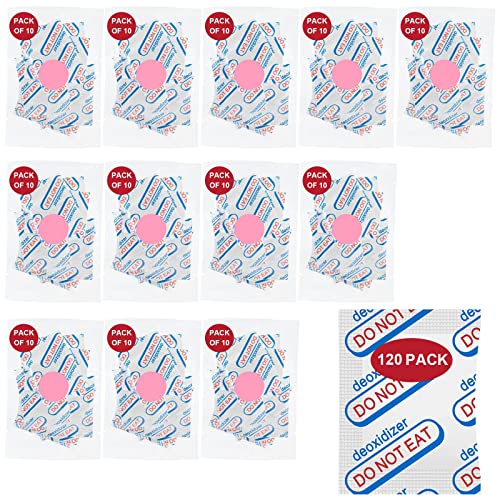
A high-count bulk box of 300cc packets for one-gallon mylar bags and two-quart jars, which is the size most rice, beans, and oats end up in. Buy this when you are packing a pantry in volume and want a low per-packet cost without dropping capacity.

LinsKind 100cc Oxygen Absorbers (Small Jars & Bags)
The small-container option: 100cc packets sized for quart jars, half-gallon bags, and portioned pouches you open often. The cheapest way in, but you will need several per gallon bag, so match the count to your headspace or the seal will not pull down.
You Might Also Need
Accessories worth grabbing alongside your purchase
